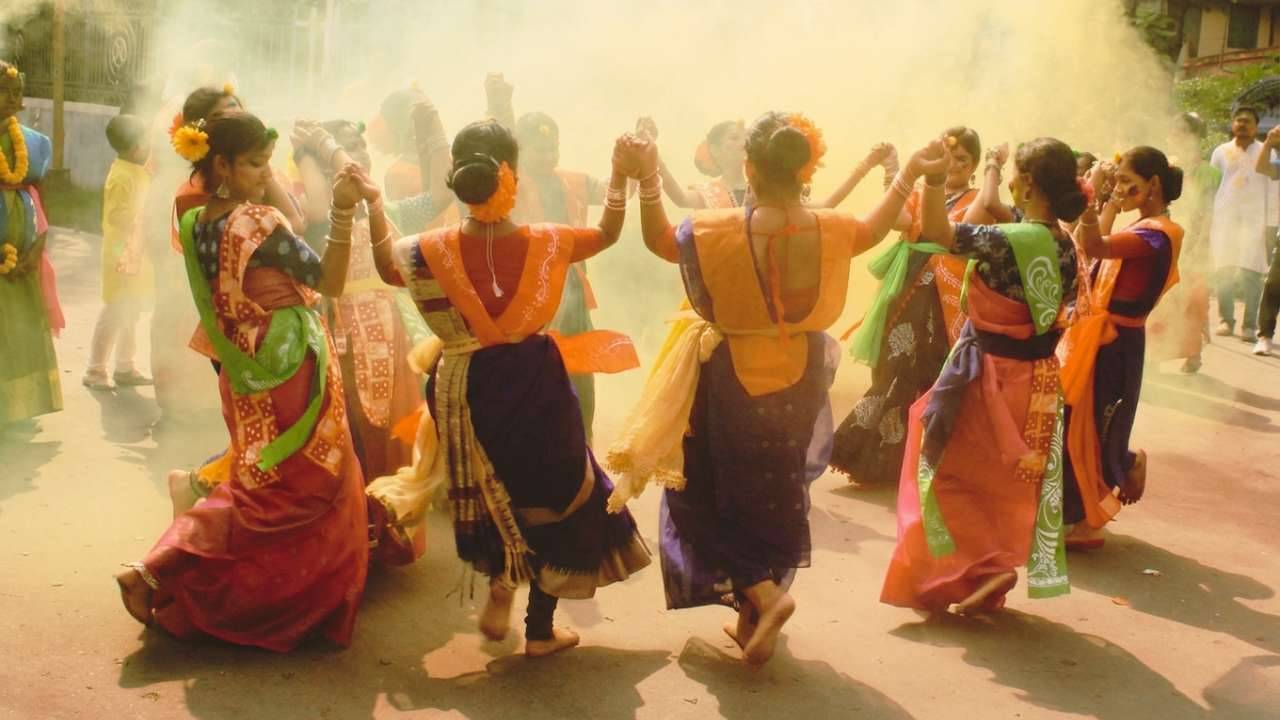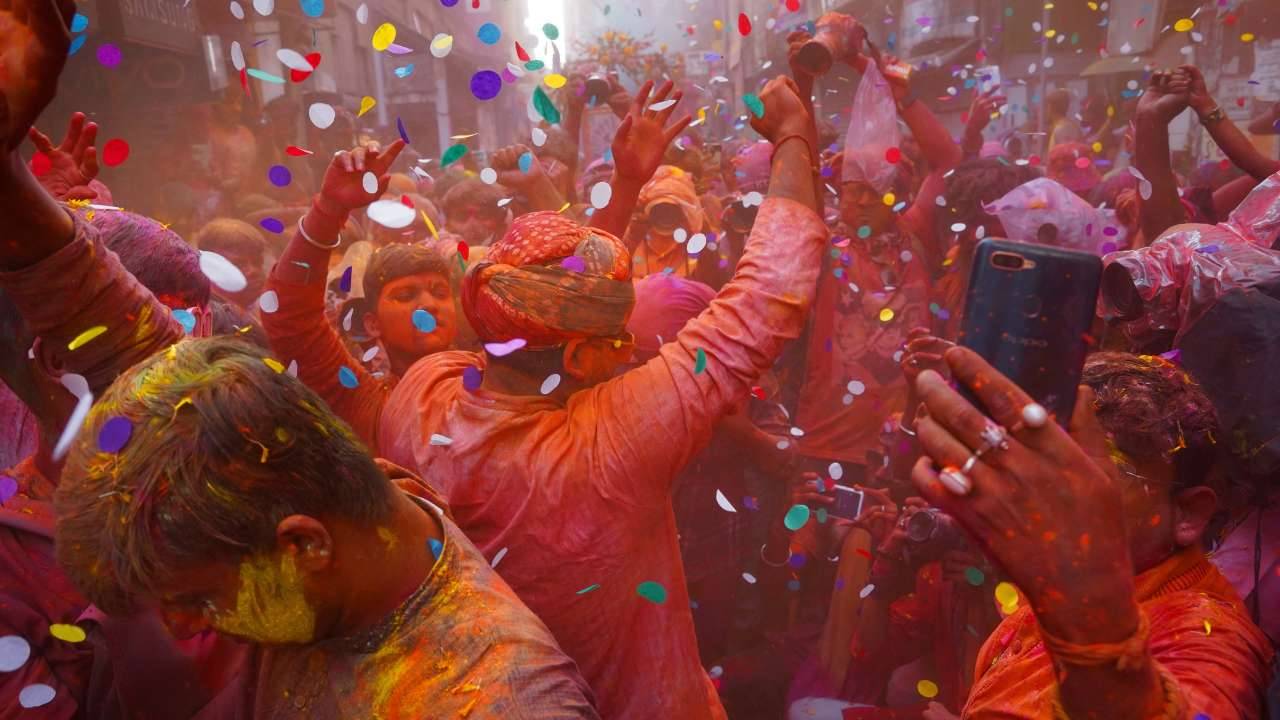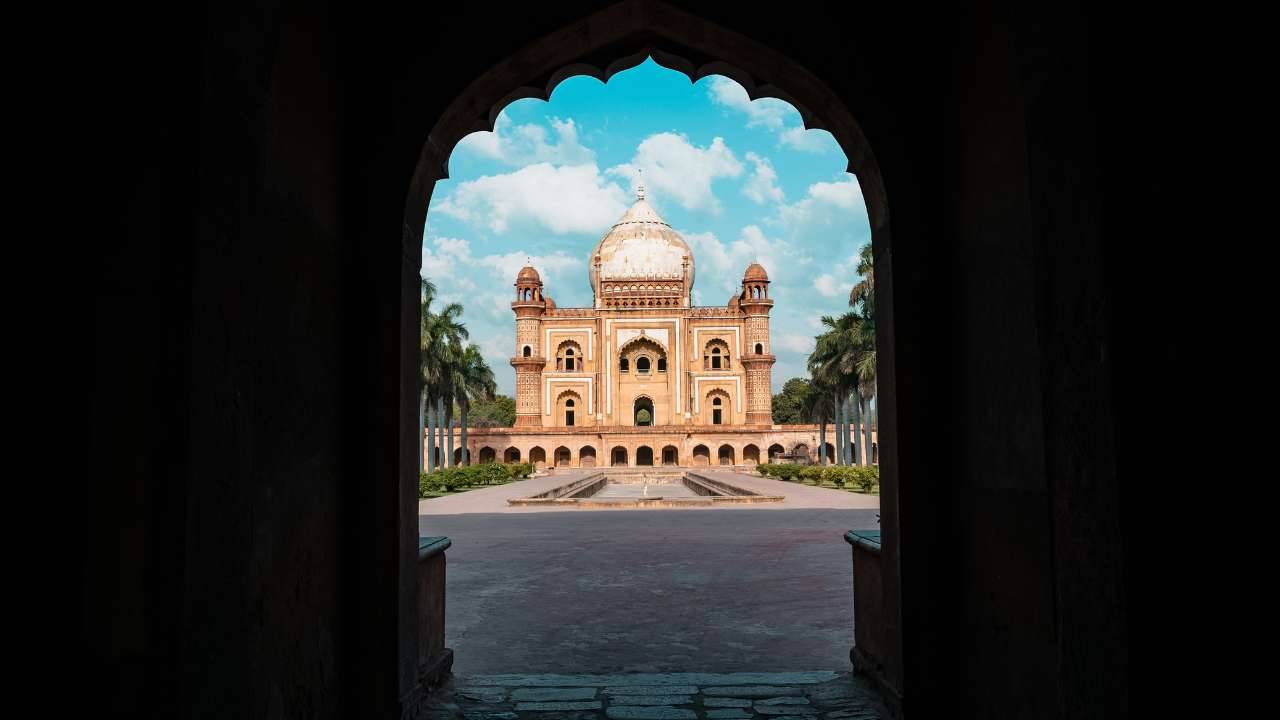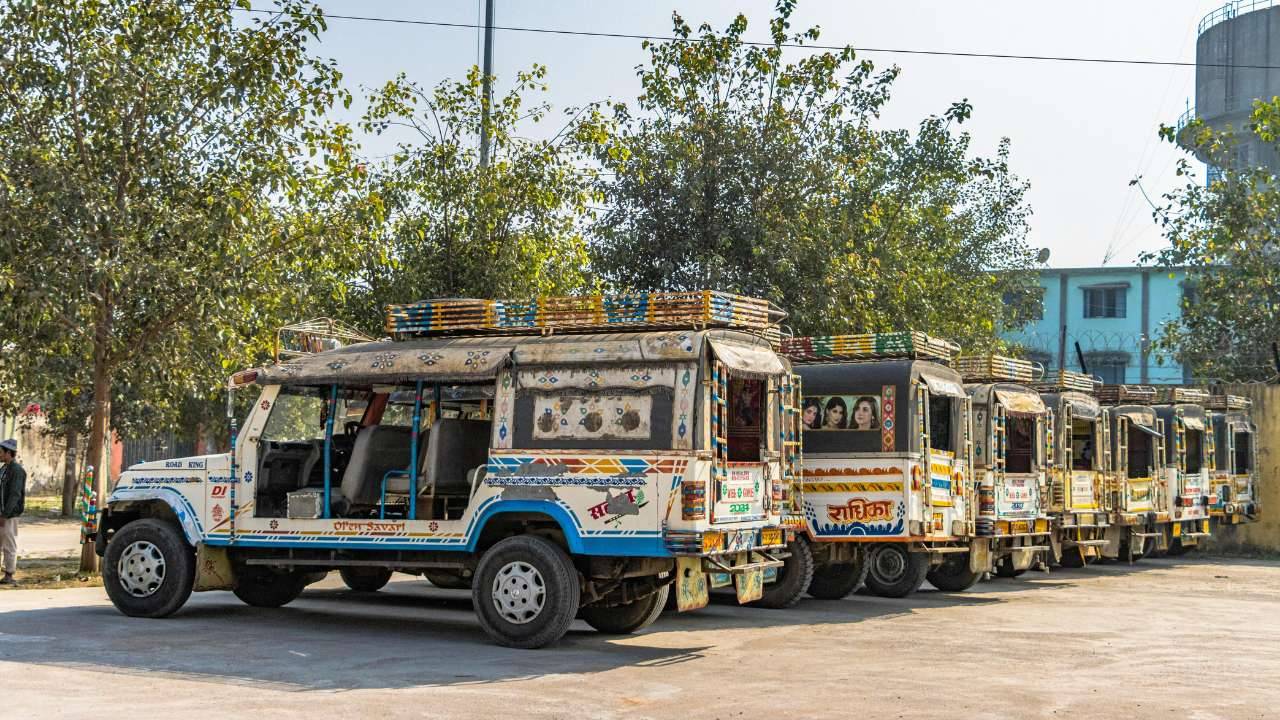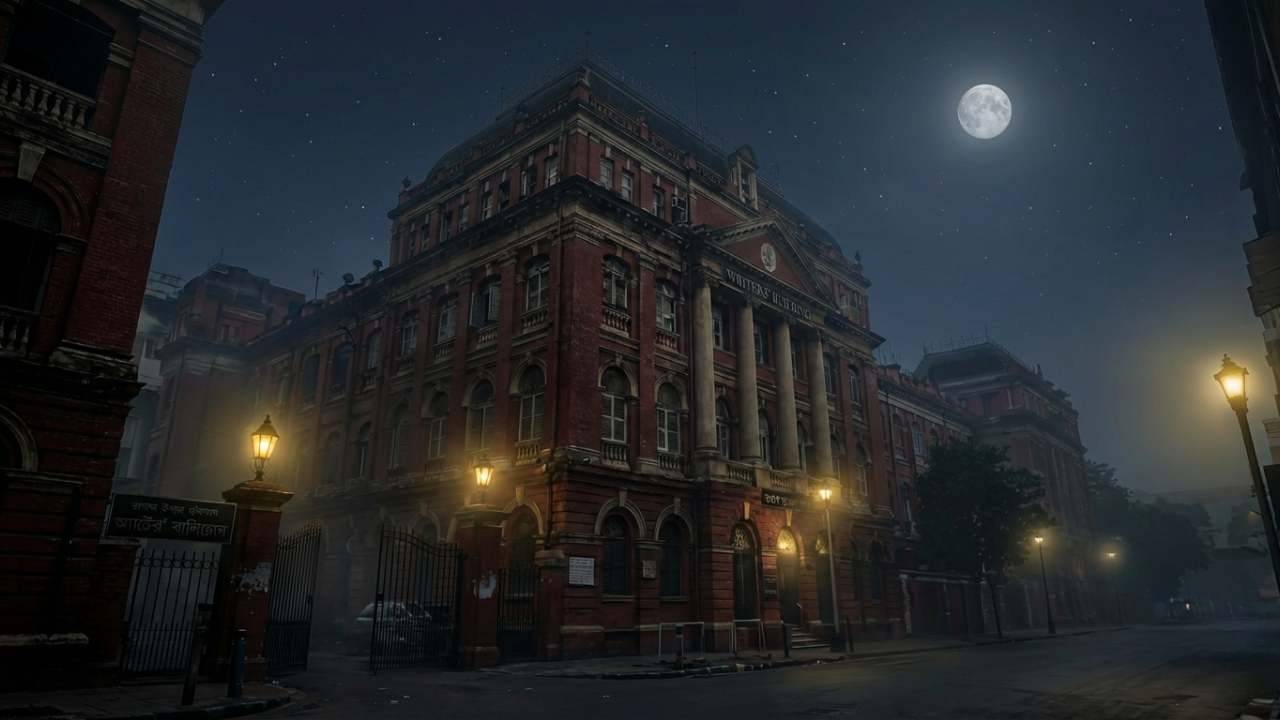
There is a saying in Bengali, ‘Baro mashe Tero parbon ‘, which essentially means the Bengali culture and customs can hold festivals every month of the year and then some more. It might be an exaggeration, but not far from the truth, as in West Bengal. As you will see, even a small-scale puja or some other festival takes place pretty frequently. However, if we try to list all of these festivals, this blog may not be enough to hold all that. That is why, in this blog, we will discuss about the top 5 most famous festivals in West Bengal, brought to you by your ultimate travel guide. mapunseen.
1. One of the Most Famous Festivals in West Bengal – Durga Puja
You can’t talk about West Bengal without starting with Durga Puja. Recently added to UNESCO’s list of Intangible Cultural Heritage of Humanity, it’s more than just a religious festival, but it’s arguably the biggest public art installation in the world.
For five days, the whole state, especially the capital city, Kolkata, comes to a halt. The streets transform into a vibrant gallery of “Pandals”, for people who don’t know, is an intricate temporary structures. These are far more than simple tents; they are stunning works of art crafted from bamboo, cloth, other fabrics, and recycled materials (as well as wood or steel), often inspired by famous landmarks or abstract themes like “Time” or “Climate Change.”
Furthermore, the artisans of Kumartuli bring heritage and artistry to the forefront. Months before the festival, Kumartuli, the potters’ colony in North Kolkata, bursts into life. Seeing the “Pratima” (idol) take shape from Ganges clay is a truly spiritual experience. For 100 years, this has been a staple of Durga puja, and nothing has come close to replacing it.
But the next piece that truly makes Durga Puja the magnum opus of Bengali culture is Dhak or traditional Bengali drums. The rhythmic, booming beat of the Dhak, the heady aroma of Dhuno, and the vibrant spectacle of the Sandhi Puja combine to create an absolutely spirit-elevating atmosphere. Of course, we cannot forget that for a Bengali, Durga Puja is synonymous with eating. From the sacred “Bhog” (the Goddess’s prasad of khichdi and labra) to the endless street food stalls dishing out egg rolls and fish fry, it’s a week-long indulgence.
2. The New Year Festival of West Bengal – Poila Baisakh
While most of the world rings in the new year on January 1st, West Bengal kicks off its celebrations in mid-April. Poila Baisakh, marking the first day of the month of Baisakh, is all about celebrating Bengali culture with new clothes, fresh starts, and a heartfelt respect for trade and business.
Where Haal Khata is a central part of the celebration. In particular, this is a fascinating tradition for the business community. Shopkeepers welcome their regular customers, offer them sweets, and start fresh ledger books, which are known as Haal Khata in Bengali, for the new financial year. It’s a wonderful mix of business and camaraderie.
Cultural processions often kick off the day with “Prabhat Pheri,” early morning parades where people sing Rabindra Sangeet and dance joyfully through the streets. However, later in the day, visit a Bengali home, and you’ll be treated to a grand spread. Breakfast often features Luchi (fried flatbread), while lunch is a lavish affair with Kosha Mangso (spicy mutton curry) and Payesh (rice pudding) taking centre stage.
3. Festival of Light and Spiritualism – Kali Puja
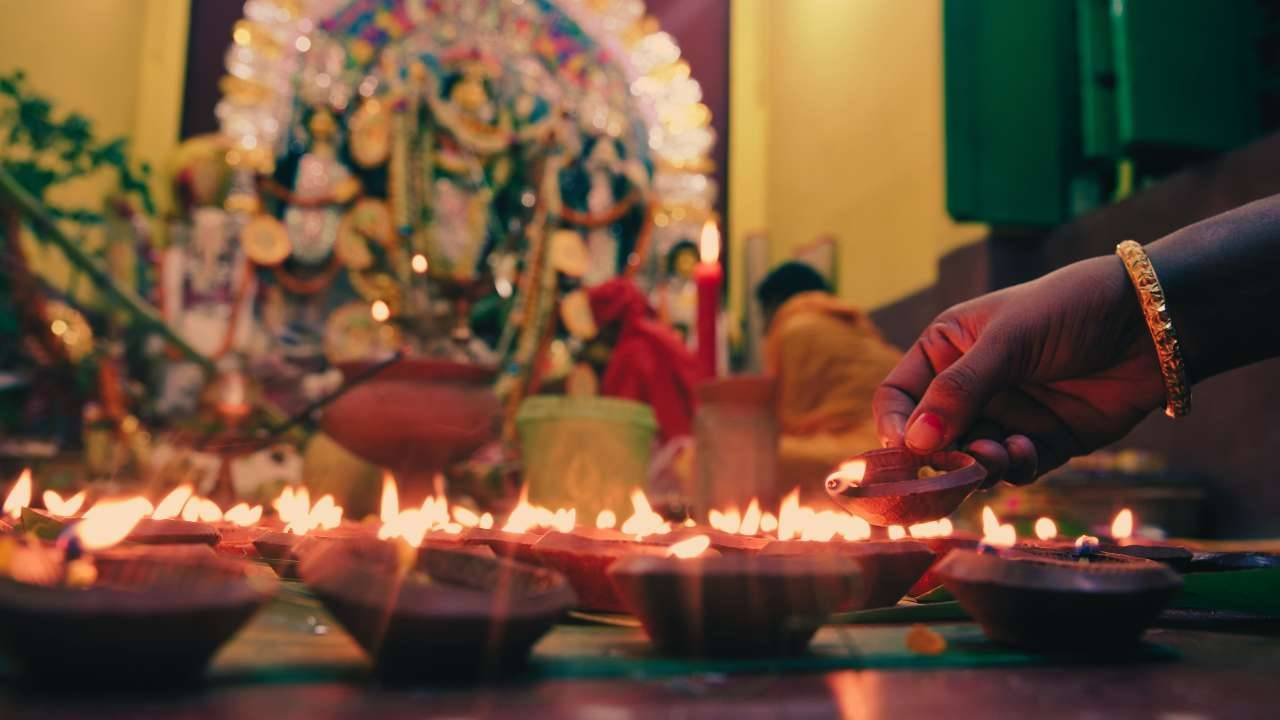
While most of India honours Goddess Lakshmi during Diwali, West Bengal comes alive with celebrations for the fierce and powerful Goddess Kali. The festival typically takes place on the new moon night of the Hindu month of Kartik. However, the night before the festival is also important, as Bhoot Chaturdashi takes place. On the eve of Kali Puja, Bengalis light 14 lamps, known as Choddo Prodip, to guide the spirits of their ancestors while keeping them from entering the home. It’s a haunting yet beautiful tradition that predates the modern-day Halloween tradition.
On the other hand, the Temples also come alive. The festivities at the Dakshineswar and Kalighat temples are truly legendary, with thousands of devotees lining up in the stillness of the night to offer their prayers to the Mother. However, the real symbol the festival celebrates is the inner strength and the destruction of ego, while Diwali adds the magic of lights. Fireworks illuminate the night sky, and balconies glow with rows of diyas (oil lamps), transforming the state into a sparkling constellation.
4. The Spring Festival of West Bengal – Saraswati Puja
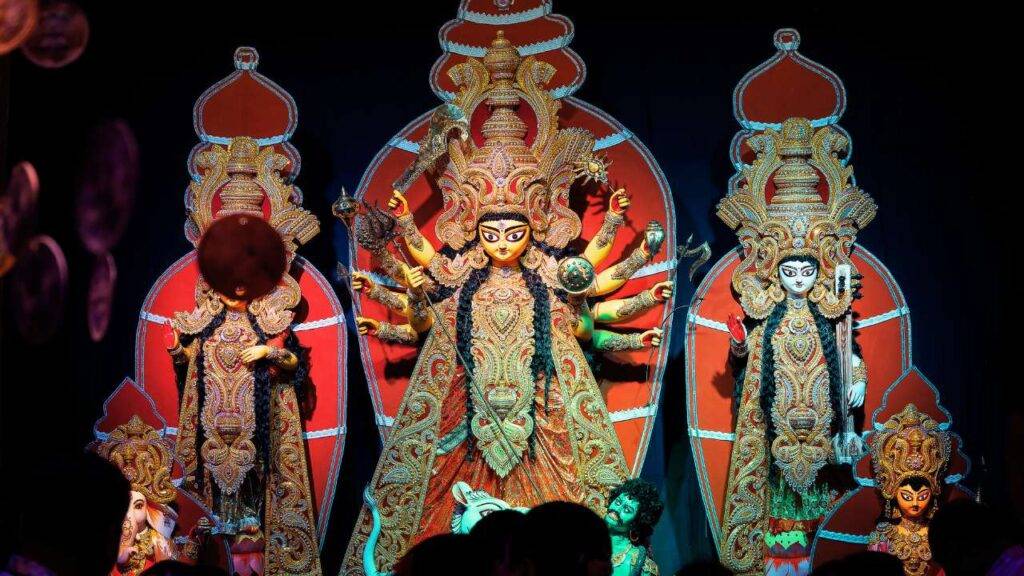
Swaraswati Puja is a lot of things to a lot of Bengalis. For some, it is commonly known as the “Bengali Valentine’s Day.” For some, it is the day of worshipping knowledge and education incarnate, Saraswati. The Puja honours the Goddess of Knowledge, Music, and Art. It usually falls in late January or early February, marking the arrival of Spring.
The day is celebrated with the colour yellow (Basanti), symbolising blooming mustard fields. The streets come alive with thousands of girls in bright yellow sarees and boys in cheerful yellow kurtas, filling the air with a warm, sunny vibe. Everyone sets aside their differences and celebrates the puja in their para or locality. Little children participate in various cultural activities like singing, dancing or drawing.
For students, this is the best day of the year. Tradition dictates placing books and pens at the feet of the Goddess. Since the Goddess is “studying” your materials, you’re not allowed to read or write for the entire day! On the other hand, this day also marks the “Hatey Khori” ceremony for toddlers. It’s their first introduction to the alphabet, with the priest guiding their hand to write the first letter on a slate.
5. The Poush Mela of Shantiniketan
One of the most popular melas in West Bengal is the Poush Mela in Shanitiniken. For a taste of Bengal’s rural charm, artistic flair, and intellectual spirit, Poush Mela in Shantiniketan is the perfect destination. Founded in 1894 by Debendranath Tagore, father of Rabindranath Tagore, it celebrates the harvest season and the founding of the Brahmo Samaj.
In contrast to the bustling, urban energy of Durga Puja, Poush Mela offers an earthy, soulful escape. There was a time when Nobel laureates and tribal dancers stood side by side on the same dusty ground, honouring the harmony of humanity that culture cherished so deeply. Another highlight of Poush Mela is the performance by the Bauls, the famous mystic minstrel singers of Bengal.
Their heartfelt songs about love, humanity, and the “Man of the Heart,” accompanied by the soulful tunes of the Ektara, are truly moving. You will also find the fair is a treasure trove for lovers of art. Discover authentic Kantha stitch sarees, vibrant Batik prints, unique terracotta jewellery, and exquisite Dokra metal crafts, all handcrafted by talented local artisans from nearby villages.
Conclusion
In West Bengal, festivals are more than just dates on a calendar, but they’re a way of life. All the festivals in West Bengal reflect a culture that values art over business, community over self-interest, and food above everything else. From the vibrant grandeur of Durga Puja to the peaceful, soulful tunes of Poush Mela, each celebration reveals a society that has mastered the art of togetherness.
FAQs
- Which is the biggest festival in West Bengal?
- Durga Puja is the largest and most significant festival, celebrated with unmatched grandeur across the state for five consecutive days.
- When does Poush Mela take place?
- It typically begins on the 7th day of the month of Poush (usually late December) and lasts for three days, though the fair often continues for longer.
- What is unique about Saraswati Puja in Bengal?
- Beyond being a religious day, it is culturally treated as a “day of romance” for youth and a mandatory “day off” from studies for students.
- Why is yellow the dominant colour for Saraswati Puja?
- The colour yellow, or Basanti, represents the ripening of crops and the arrival of the Spring season, symbolising new life and energy.