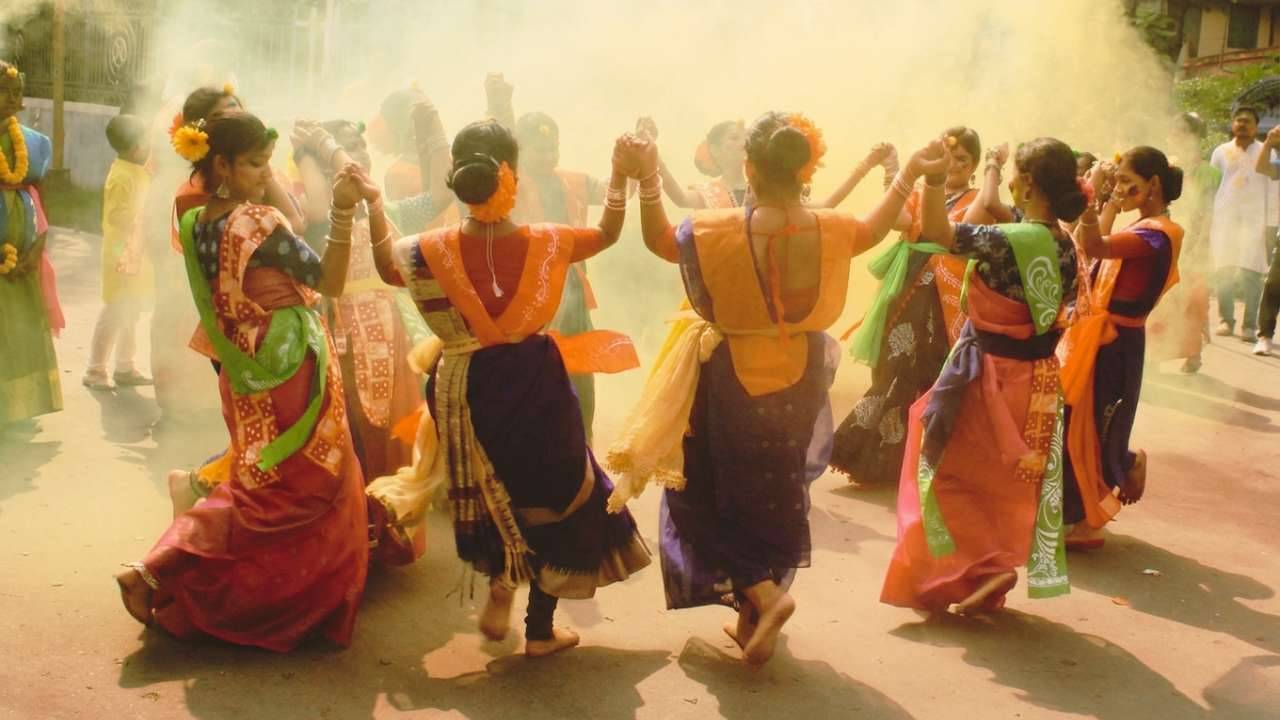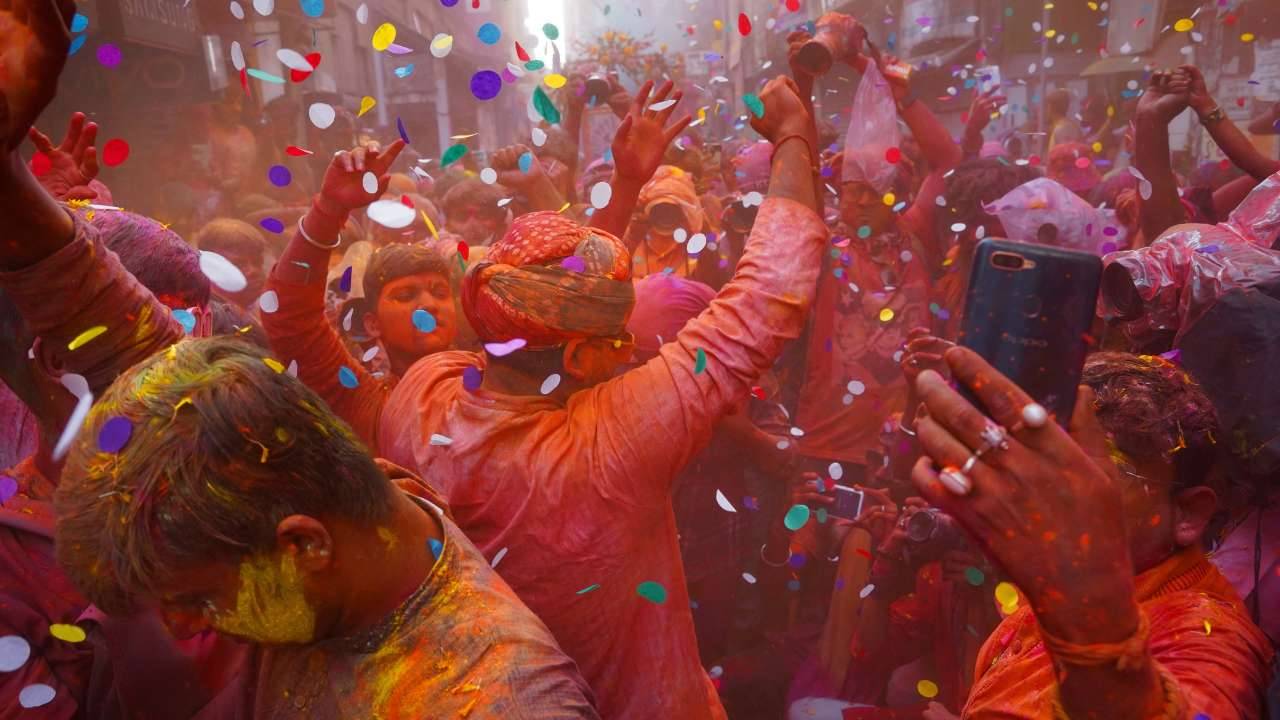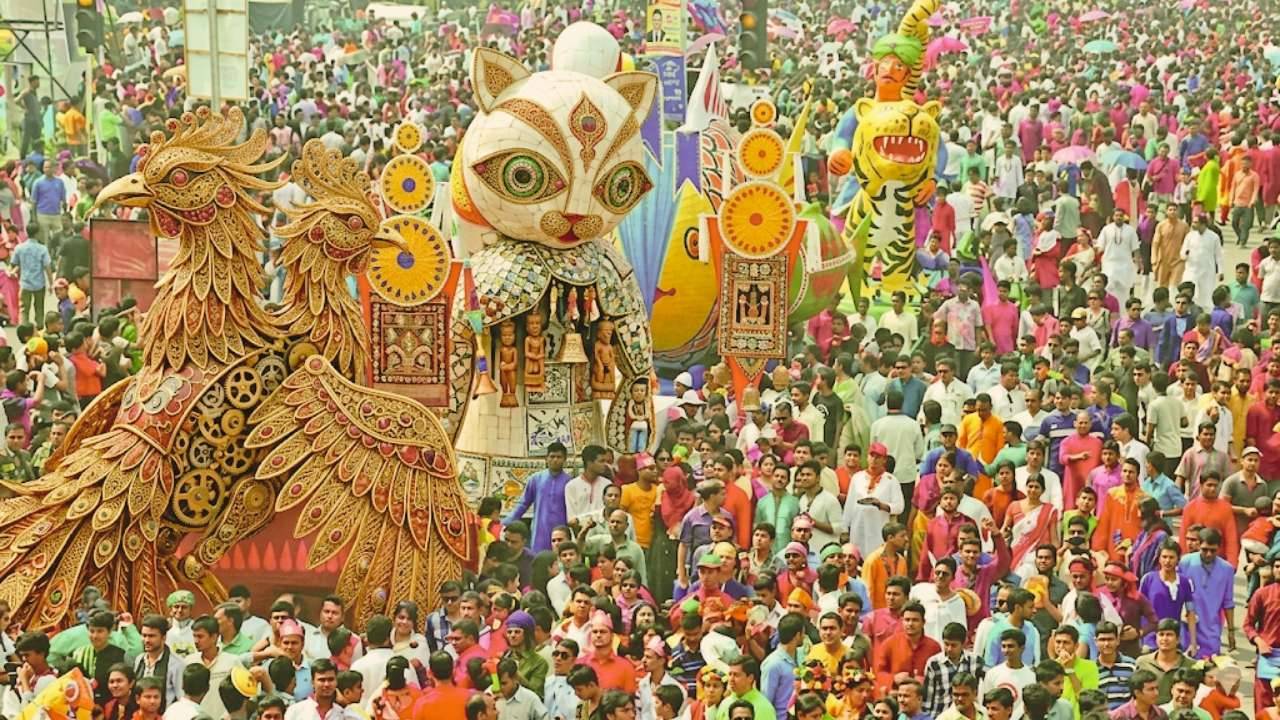
Poila Baishak is more than just buying new clothing during the occasion. It is the time of coming together and celebrating the turn of the year in the Bengali culture. Furthermore, it is the celebration of fresh harvest and new beginnings, and what could be the best way to celebrate this than by visiting the best places in West Bengal? This blog is brought to you by your ultimate tour guide, mapunseen, and we will tell you which are the best places to visit during this Poila Baisakh.
1. Celebrate Paila Baishak Right at the Heart of Kolkata
Kolkata is the heart of Nobo Borsho celebrations, transforming into a lively blend of tradition and modern charm. Among the places you can visit, try to check out the Dakshineswar and Kalighat Temples. Kick off your morning at dawn by exploring the one-of-a-kind shopkeepers and joining the thousands of devotees who gather for the Haal Khata ritual. This is a blessing for new accounting ledgers in honour of Goddess Kali and Lord Ganesha. The atmosphere is buzzing with energy, but be ready for the enormous crowds.
On the other hand, College Street, especially Indian Coffee House, is a great place for Millennials and Gen Z. For an “intellectual” New Year, make your way to Boi Para (College Street). Stroll through the many bookstores and enjoy a cold coffee at the legendary Coffee House, where lively adda is the true currency. The celebration with your friends and loved ones will flow in a way where you will not have any grasp on how the time went by.
Another place you should visit is the Salt Lake Cultural Carnival. The Poila Parbon carnival at Karunamoyee in Salt Lake is a must-see, offering live performances by popular bands like Fossils and Cactus. The carnival is also a place of vibrant displays of traditional handicrafts. Plus, you will appreciate the Bengali Gastronomy Pavilion serving everything from street snacks to lavish royal thalis.
2. Feel the Essence of Poila Baishak in Shantiniketan
If you’re looking for a celebration that’s both rhythmic and peaceful, Shantiniketan is the place to be. Here, you will not find any annoying crowd, but instead, you will find serenity and love for nature. Especially, if you visit Visva Bharati for a type of celebrations that carry a grace.
Students showcase traditional dances and songs, filling the air with the sweet fragrance of spring flowers. The next place you can visit in Shantiniketan is Khoai Sonajhurir Haat. Check out the local weekend market for lively Baul music performances and shop for hand-painted Pattachitra, terracotta jewellery, and Kantha-stitch sarees straight from the artisans themselves.
3. Connect to the Traditional Celebration of Poila Baishak in Murshidabad
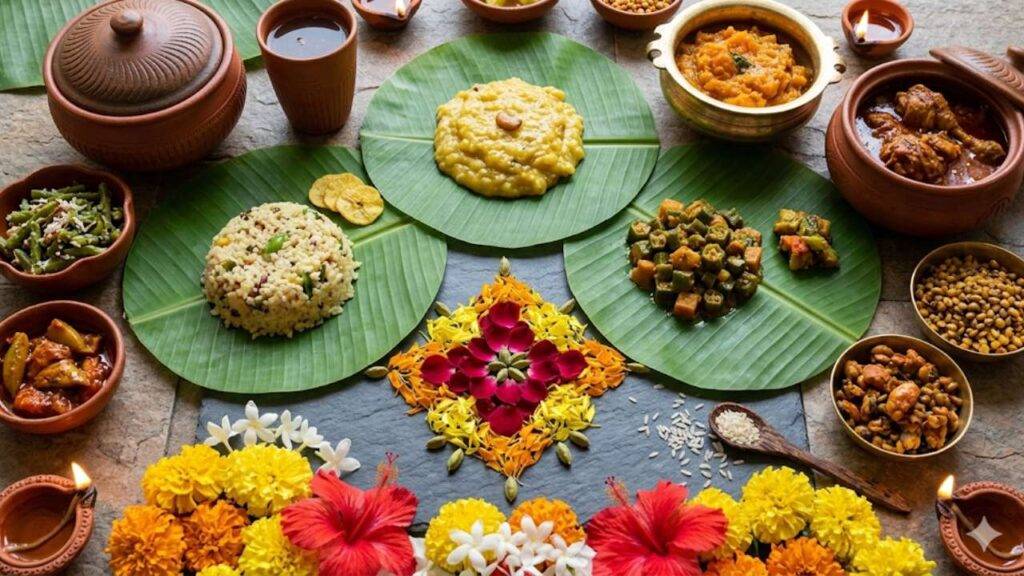
For a royal touch, Murshidabad gives you a peek into how the Nawabs and zamindars of the past rang in the new year. Walk yourself through the majestic Hazarduari Palace and nearby ruins. Local business communities still uphold age-old traditions, hosting grand feasts for their patrons. Plus, the historic setting adds a nostalgic charm you won’t experience in busy city life. You also need to check the culinary scene of Poila Baishak, after all, it is one of the main attractions:
| Dish | Why You Need It |
| Posto-Bora | These deep-fried poppy seed fritters are crunchy, nutty, and perfect comfort food with dal and hot rice. |
| Basanti Pulao & Kosha Mangsho | Sweet, fragrant yellow rice paired with slow-cooked, spicy mutton. |
| Shukto | A bitter-sweet mixed veg stew to “cleanse” the palate for the year ahead. |
| Mishti Doi & Roshogolla | Because no Bengali celebration can end without a sugar rush. |
4. Look for the Terracotta Side of Poila Baishak in Bishnupur
If you’re looking to escape the hustle and bustle of Kolkata while still soaking up rich culture, make your way to Bishnupur, the “Temple Town” in Bankura district. Here, the first place you should visit is the Malla Heritage. Poila Baisakh here feels like stepping into the 17th century.
In particular, the famous terracotta temples, such as the Rasmancha and Jorgubanda, create a beautiful backdrop for New Year morning prayers. The detailed brickwork, illustrating scenes from the Ramayana and Mahabharata, shine warmly under the April sun.
Your next activity should be the Baluchari Shopping. After all, it’s a Bengali tradition to wear new clothes on Nobo Borsho. Thus, there’s no better place to find a masterpiece than at the source. Watch local weavers craft the legendary Baluchari Silk Sarees and choose one straight from the loom.
Bishnupur is the birthplace of the Bishnupur Gharana of classical music. During the New Year, the town often hosts cosy classical music performances. The sound of dhrupad-style vocals drifting through the ancient corridors leaves an impression that lingers well beyond the holiday.
5. Poila Baishak Celebration at the Foothills of Siliguri
While Kolkata sparkles in the south, Siliguri becomes the lively heart of Nobo Borsho in North Bengal. The city sets aside its bustling commercial side to showcase a colourful blend of tradition and unity. At the centre of it all is Baghajatin Park, hosting the Borsho Boron (New Year welcome) festival. It’s a delightful feast for the senses where the steady beat of the Dhak, the vibrant hues of the Prabhat Pheri (morning procession), and the soothing strains of Rabindra Sangeet drift through the fresh mountain air.
One of the most heartwarming traditions in Siliguri is its sense of community. In markets like Mahabirsthan, traders from all walks of life come together to carefully prepare the Haal Khata (traditional red ledgers) for Bengali shopkeepers. This shows that the New Year is as much about connection as it is about business. Furthermore, the local Baishakhi Melas are a goldmine for discovering authentic Sholapith crafts. As well as charming terracotta toys, and unique North Bengal handicrafts that are hard to come by in the city centre.
Plus, for many travellers, the New Year holiday is the perfect excuse to head to the hills of Darjeeling or Kalimpong right after the morning rituals, making it an ideal “festival-plus-vacation” getaway. One pro tip we can offer you is to head to the local markets early. This is because you can witness the Ganesh-Lakshmi Puja and the opening of the Haal Khata. Don’t be surprised if a shopkeeper hands you a packet of sweets and a calendar; it’s the classic Bengali welcome!
Conclusion
With the rhythmic beats of the Dhak echoing through the streets and the scent of fresh marigolds in the air, Poila Baisakh signals a chance for a “Haal Khata”, a fresh ledger for our lives. Whether wandering the terracotta lanes of Bishnupur, sharing adda in Kolkata, or breathing in Siliguri’s mountain air, the heart of it all is the same: a celebration of roots, resilience, and truly great food.
FAQs
- When does Poila Baisakh take place?
- Poila Baisakh is usually celebrated during the month of April every year.
- Is there a specific dress code for the festival?
- There’s no strict rule, but the traditional colours are red and white. Women usually wear Lal-Paar sarees, white with red borders. While men opt for Punjabis (kurtas), often made of cotton or silk, to stay cool in the April heat.
- Can non-Bengalis participate in the celebrations?
- Absolutely! The festival is fully inclusive. From joining a cultural procession in Siliguri to stopping by a shop for Haal Khata, everyone is warmly invited to be part of the celebrations.
- Do I need to book restaurants in advance?
- Absolutely! Legendary Bengali spots like 6 Ballygunge Place or Oh! Calcutta and even lesser-known favourites are packed on Poila Baisakh. It’s best to reserve your table at least a week ahead or go for an early lunch around noon to avoid the rush.