We are always torn between luxury and a limited budget when it comes ot our trip planning. We all want to spend our time on a trip with maximum comfort. However, in order to gain maximum comfort, you have to pay more, exceeding your initial budget. Therefore, you need to make a budget-friendly trip plan that also offers comfortable travelling and accommodations. But how to pull this off? Well, do not worry, as mapunseen is the best travel companion you were waiting for! We will help you to make the best budget-friendly trip plan you can imagine, all in this post!
The First Step in Making a Budget-Friendly Trip Plan
If you are going somewhere far or even a foreign land, the largest costs are often flights, so a flexible approach is key. Particularly, the prices of flight tickets vary depending on the season. However, prices for flights and accommodation drop significantly right before or after the peak tourist season. Therefore, if you want to avoid sky-high prices as well as the crowd, book your tickets during the off-season.
On the other hand, flights on Tuesdays, Wednesdays, and Saturdays are often cheaper than those on weekends. Try to arrange your holidays or leave on weekdays. Furthermore, you should also consider late-night or very early-morning flights. They are generally less expensive compared to more regular timing flights. You also need to book flights smartly by booking in advance rather than late, as booking flights and trains well ahead of time yields better prices.
You can also use various third-party services and search engines like Google Flights, Skyscanner, and Kayak’s “Explore” feature to compare prices and find the cheapest destinations or dates. Plus, it is better to right light as sticking to carry-on luggage helps you to avoid checked bag fees, which can quickly add up on budget airlines. However, if you are visiting local areas or within your country, it is better to stick to local transit to save maximum budget.
Let’s Uncover the Second Step of Materialising a Budget-Friendly Trip Plan
It boils down to the budget; for some, cheaper flight tickets are well within their budget. But for many, the best option or even the primary option is to travel by train. Here also, you need to choose which one is best for you, as you can always save money by opting for a sleeper couch, but a comfortable journey is not guaranteed. Therefore, for comfort, you have to choose one of the two options:
- Tier 3 AC (3A/3AC): This is the best balance of comfort and cost. You get a reserved, air-conditioned berth (saving on accommodation for the night), clean sheets, and a degree of privacy, all for a fraction of the flight cost. This is significantly more comfortable than Sleeper Class, especially in summer.
- Tier 2 AC (2A/2AC): A bit more expensive, but offers more space and curtained privacy between berths—ideal for couples or those who value quiet. Going a level above that may exceed your budget, especially if you take return into consideration.
Similar to flight, you should book train tickets in advance as well. Train tickets, especially in the AC classes, sell out quickly. Book your tickets 1-4 months ahead of time (reservations open 120 days in advance) to secure the best spots and prices. You should use the official IRCTC site or reliable third-party apps to your liking.
Third Step of Making a Cost-Friendly Tour Plan
On the other hand, when it comes to accommodation, well, comfort doesn’t have to mean an expensive 5-star hotel. In the various tourist spots in India, you can find some amazing lodges, resorts or homestays that will fit your budget without compromise on food and comfort. You can also look into the different types of such accommodations are divided based on pricing:
| Accommodation Type | Cost Range (INR per night, rough estimate and subject to change) | Comfort |
| Boutique Hostels (Private Room) | ₹1,000 – ₹2,500 | Excellent security, modern design, clean private bathroom, and a social atmosphere if you want it. |
| Comfort Guesthouses/Homestays | ₹1,500 – ₹3,000 | Get local flavour, home-cooked food options, and personalised service. Often includes a nice terrace or garden. |
| Mid-Range/Budget Hotel Chains | ₹2,000 – ₹4,000 | Look for chains or good-rated options on reputed third-party websites for booking that offer guaranteed amenities (AC, clean linen, hot water). |
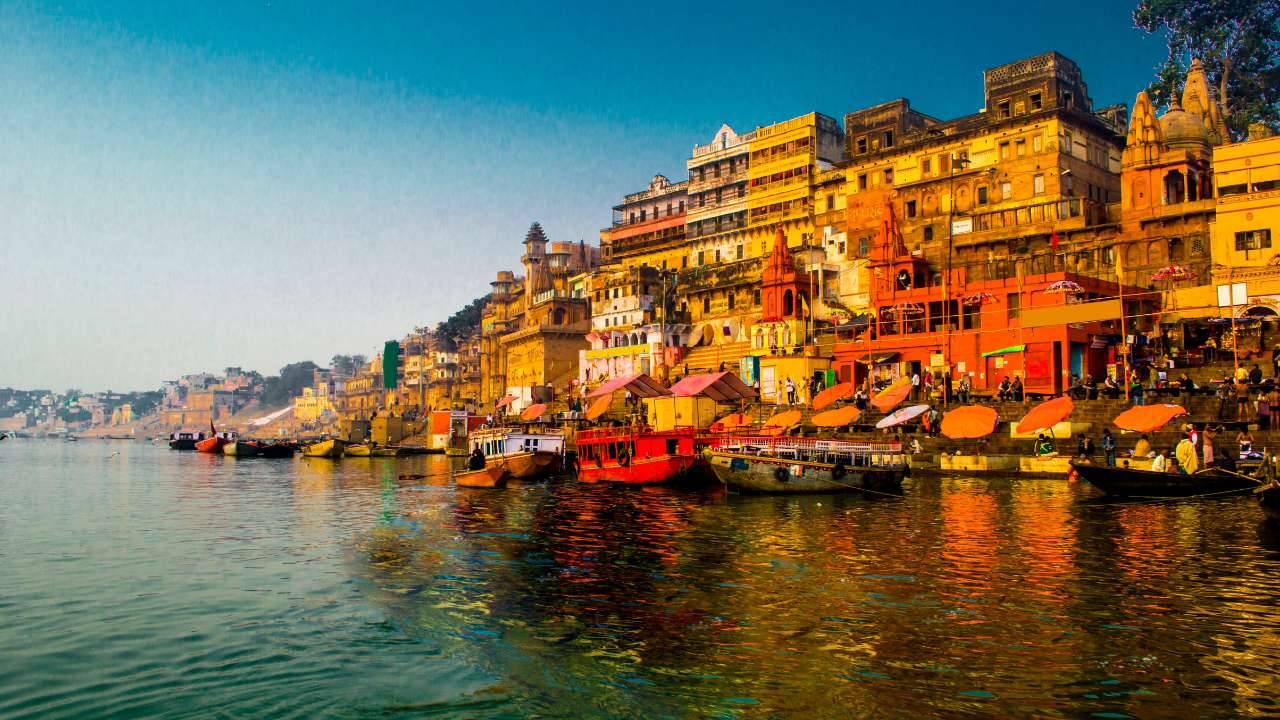
| Ashrams/Dharamshalas | Very low to Free (Donation-based) | Best for maximum budget-saving in places like Amritsar (Golden Temple) or Rishikesh/Varanasi, but comfort can be basic. |
Furthermore, it is better to choose a place that offers reliable Wi-Fi and Air Conditioning (AC) if travelling outside of the winter months, as this hugely impacts comfort. However, your comfort level can also vary based on the location. For instance, staying slightly outside the hyper-touristy centre often means a quieter, cleaner room for a much lower price, as long as you are near a public transport link (Metro, bus stop).

Fourth Step is the Most Important One in Tour Planning
Does not matter how much your high-class relative argues, there’s no beating the local cuisine in Indian cities. Moreover, the best way to eat cheaply and authentically in India is by embracing local food spots. To start on this journey, you need to first look for popular, busy, nondescript restaurants (dhabas on highways, or small local joints in town) where many Indian families are eating. They are hygienic (high turnover of food), and a full, delicious meal can cost as little as ₹200-₹500 per person.
Although you have to take extra precautions when visiting any local diners. For example, only eat at stalls with a long line of locals. Also, look for food that is piping hot (like fresh chole bhature or aloo tikki), as the cooking process kills germs. You should avoid cut fruit or drinks made with tap water. Stick to bottled water to prevent catching any illness.
If you are staying in a lodge, homestay or any place that lets you cook or offers homemade food, go for it! After all, if your accommodation has a kitchen, buying fresh, local produce from a market is extremely cheap and gives you control over hygiene and comfort. If you booked a hotel or guesthouse with free breakfast, make the most of it to cut out one daily meal cost.
Final Step for the Best Budget-Friendly Trip Plan
These are golden tips you need to follow if you are not already following! Be prepared to politely bargain at local markets, small shops, and for auto-rickshaws (if not using an app). Never be aggressive, but negotiating is expected. Also, remember that while most places accept digital payments like UPI, always carry small denominations of cash (₹100, ₹500 notes) for street food, small shops, etc.
By focusing on these value-driven choices, especially the train class and accommodation type, you can absolutely enjoy a comfortable and memorable trip to India while sticking to a budget of around ₹3,000 to ₹5,000 per day for a “comfort” style of travel. However, these values are true for this year only and might increase later, but the process of saving your budget for travel will remain the same. With all that being said, we hope that mapunseen’s budget-friendly trip plan will help you make your tour more cost-effective.
FAQs
- .What is the most cost-effective travel method for inter-city journeys exceeding 500 km?
- Utilise the Indian Railways. AC Tier 3 (3A) class provides a highly cost-effective balance of essential comfort, guaranteed seating/sleeping, and air conditioning over long distances.
- What accommodation choice offers superior value and a personalised experience over standard hotels?
- Highly-rated Homestays or Guesthouses. These generally provide superior spatial comfort, personalised service, and authentic regional breakfast options at a competitive price point.
- What strategy ensures access to authentic, high-quality regional cuisine while travelling?
- Patronise local eateries and informal restaurants (dhabas) that demonstrate high local occupancy during peak meal times. High turnover correlates directly with ingredient freshness and quality control.
- What are the most viable destinations for an efficient 72-hour weekend corporate or personal retreat?
- Select destinations with direct connectivity to major hubs via high-speed rail or short-haul flights. Examples include Jaipur, Goa, or Lonavala, chosen for their proximity and accessibility to metropolitan centres.