Whether you’re chasing the northern lights in Spiti or sipping coconut water on a beach in Lakshadweep, travelling within India is a whole new ballgame. We have high-speed Vande Bharat trains, 5G in the most remote hamlets, and facial recognition at airports. But let’s be real: India can still humble you in seconds if you aren’t prepared. To ensure your trip is more “Incredible India” and less “Nightmare India,” here are the top 10 mistakes to avoid on your domestic trips in India by your ultimate travel guide, mapunseen.
1. Flying Without DigiYatra on Your Domestic Trips in India
In this digital era, the physical queue is for people who enjoy standing still for 45 minutes (Some people might actually enjoy standing). If you haven’t set up the DigiYatra app, which uses facial recognition, you’re essentially choosing the slow lane.
Relying on manual ID checks and printed boarding passes can be time-consuming. Furthermore, in case you lose any document, you will be in a world of whole new pain. Therefore, remove the hassle by registering on the DigiYatra app with your Aadhaar before you leave. You’ll breeze through security in under five seconds.
2. Be Smart with UPI on Your Domestic Trips in India
India is the global leader when it comes to digital payments, as UPI has taken the world’s mobile payment system by storm. Today, even a chai-wala in a rural village has a QR code. However, tech isn’t perfect. However, even if you have your UPI sorted out, travelling with zero physical cash on your domestic trips in India can be a mistake.
Because “Server down” is a real phrase that can haunt you. Your network connection might be fine, but the bank’s servers could be down. Therefore, always keep at least ₹1,000–2,000 in small denominations (₹100 and ₹200 notes) tucked away for emergencies or remote areas where the 5G bars vanish. On the other hand, you can use UPI light, which does not use your mobile network if it is down.
3. Do Not Set Hopes on Waitlisted Tickets on Your Trips in India
With the rail network seeing record numbers, the “it’ll probably get confirmed” mindset is a dangerous game now. Because nowadays, boarding a reserved coach with a Waitlisted (WL) ticket does not translate to having your seats reserved later down the line.
We all know that even if your ticket is “WL” after the chart is prepared, you cannot legally board a reserved coach. Thus, it is better to check for Vande Bharat alternatives or use the Tatkal quota, whose booking usually opens at 10:00 AM or 11:00 AM the day before.
4. Seasons Dictate Domestic Trips in India Experience
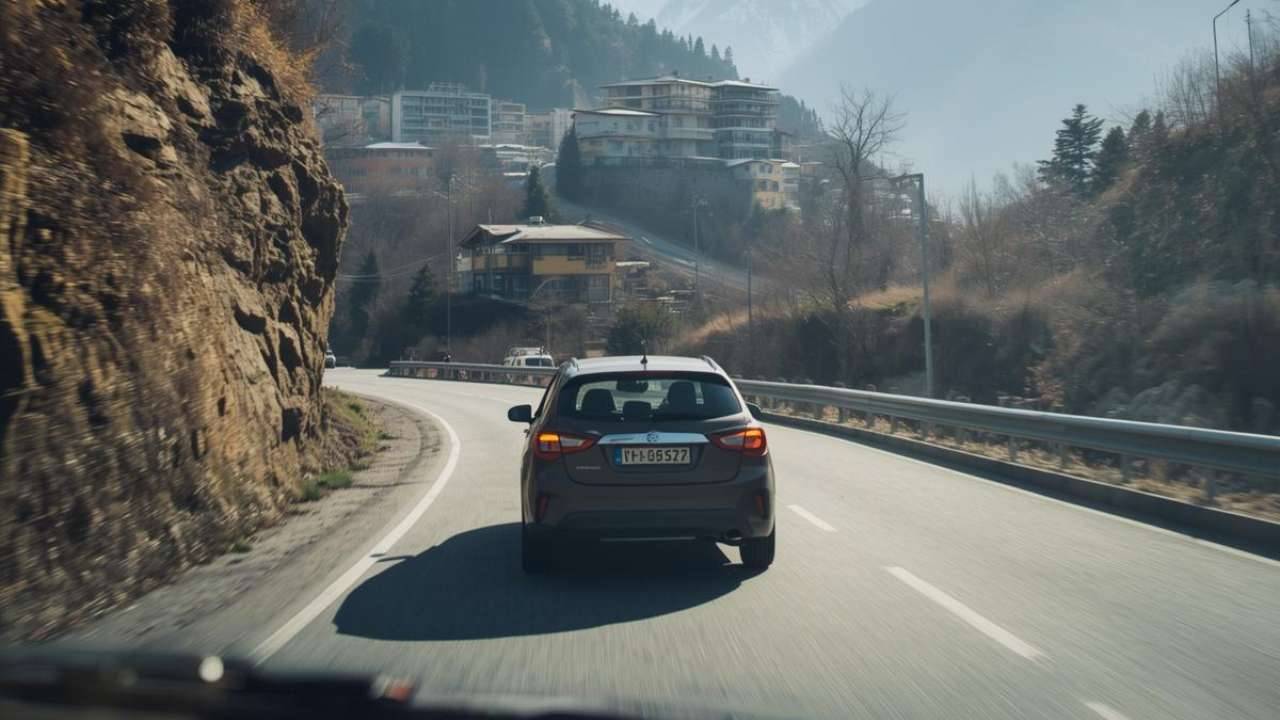
India doesn’t just have “weather”; it has “atmospheric events.” The mood of the climate can change at the drop of a hat. Thus, you can encounter situations where North India’s winter fog can delay flights by 8 hours. On the other hand, you can experience that the Monsoon can turn a 2-hour drive in Kerala into a day-long saga.
So, before you start your journey, it is better research your specific region’s climate trends during the month you are going to travel. For example, if travelling in December, opt for early morning trains that are equipped with fog device systems. It is always better in comparison to flights, which are more prone to cancellations.
5. Don’t Follow Random Guides You Meet on Your Domestic Trips in India
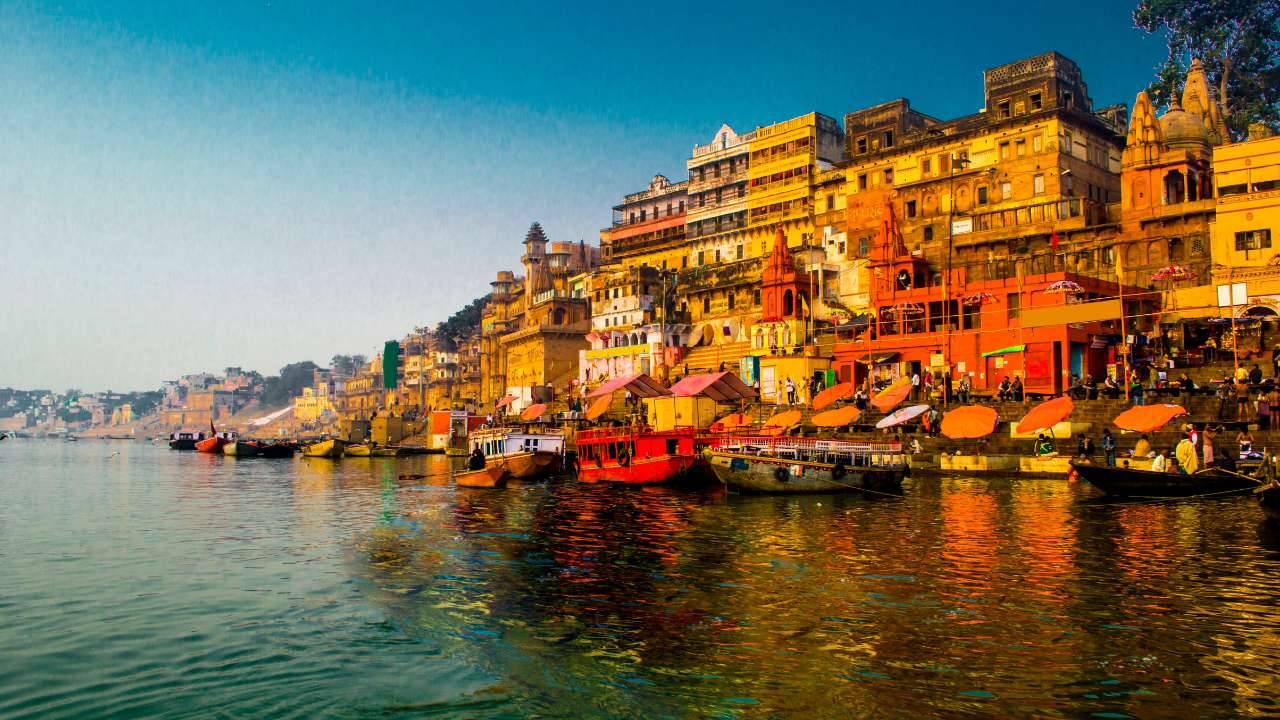
At major spiritual hubs like Varanasi or Ayodhya, you will encounter “priests” or “guides” who may approach you for a “free” blessing or a quick tour. If you do not want to get scammed, then never accept such unsolicited services. However, what you can do is politely but firmly say “Nahi, chahiye” or I don’t want it.
If you want a guide, book through a verified platform or your hotel to avoid a “donation” request that could fund a small wedding. They can also land you in big trouble, especially in areas that you have no idea about. Such scams go deep, but if you, unfortunately, find yourself in such a situation, contact the local authority immediately.
6. Be Respectful Towards Local Cultures on Your Domestic Tour in India
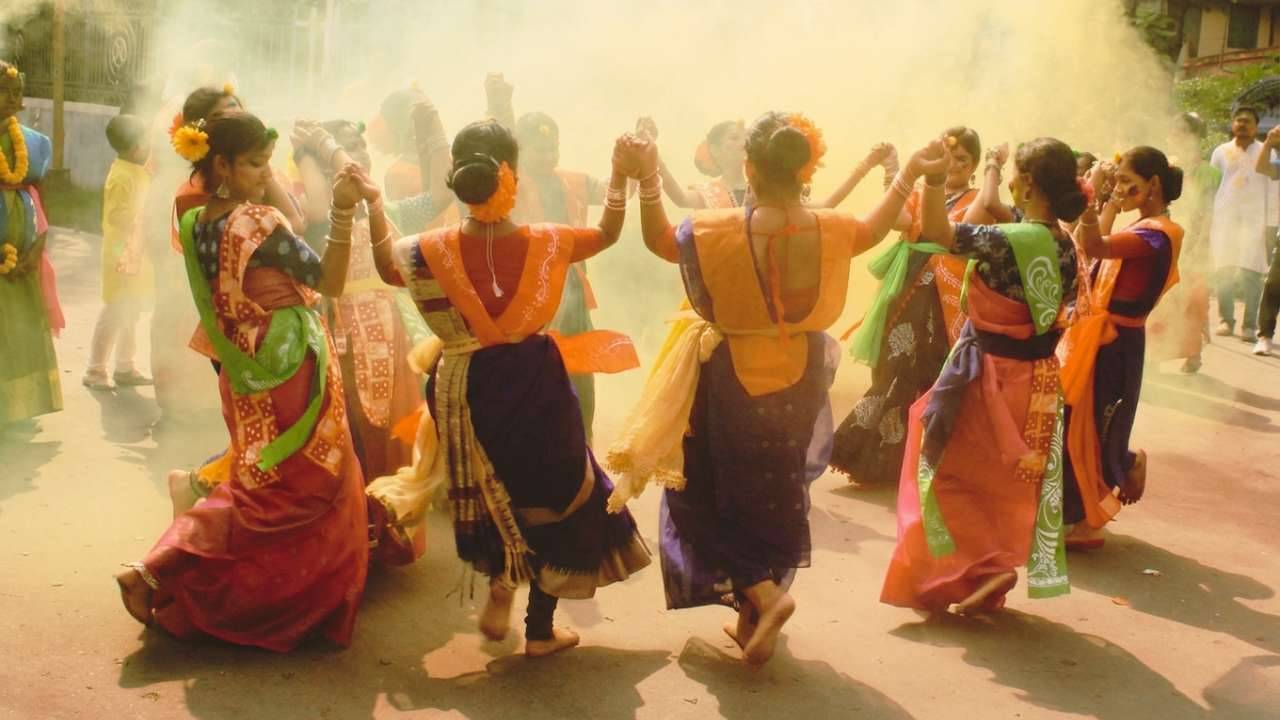
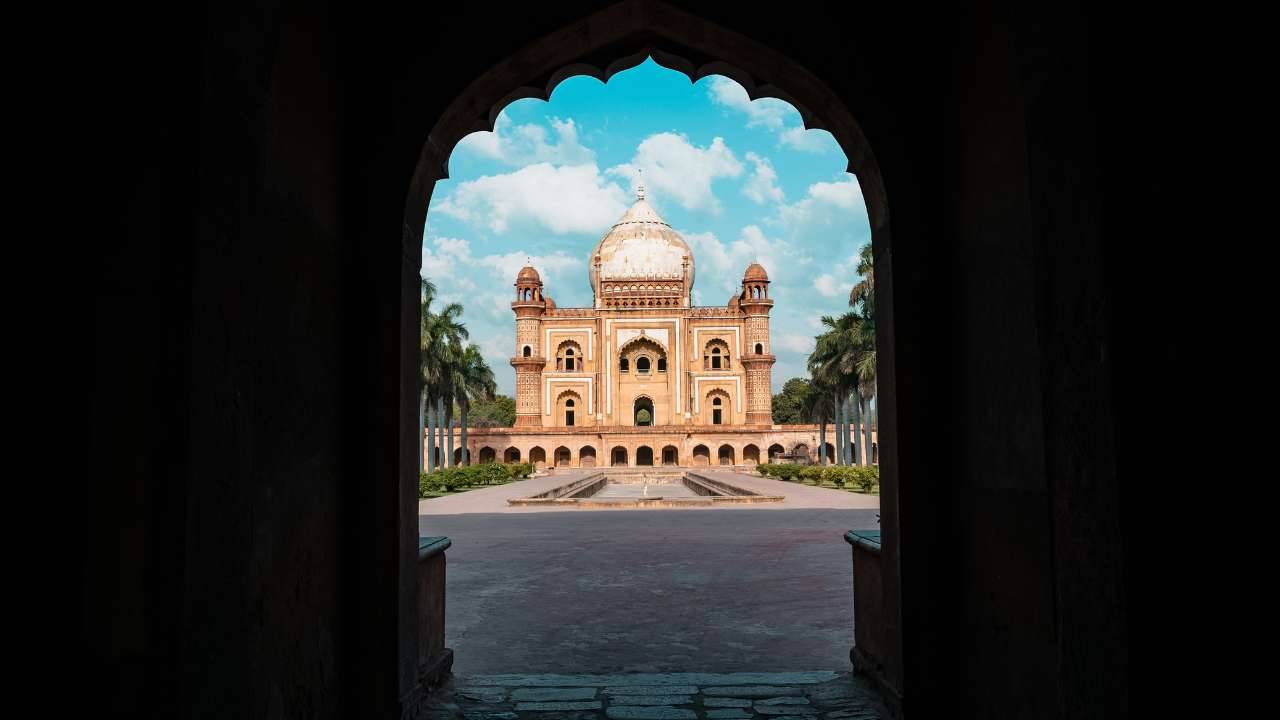
We all want that flowing-dress-in-front-of-the-monument shot. But India’s cultural sites have strict, often unspoken, rules. Hence, you must avoid wearing shorts or sleeveless tops to temples or mosques, and this unwritten rule is applicable for all genders. However, in case you accidentally forgot, at least try to carry a lightweight cotton stole or scarf. It’s the Swiss Army knife of Indian travel; it works as a head cover, a shoulder wrap, or even an emergency towel.
7. Fast Travel is Great in Video Games But Not in Real Life Always
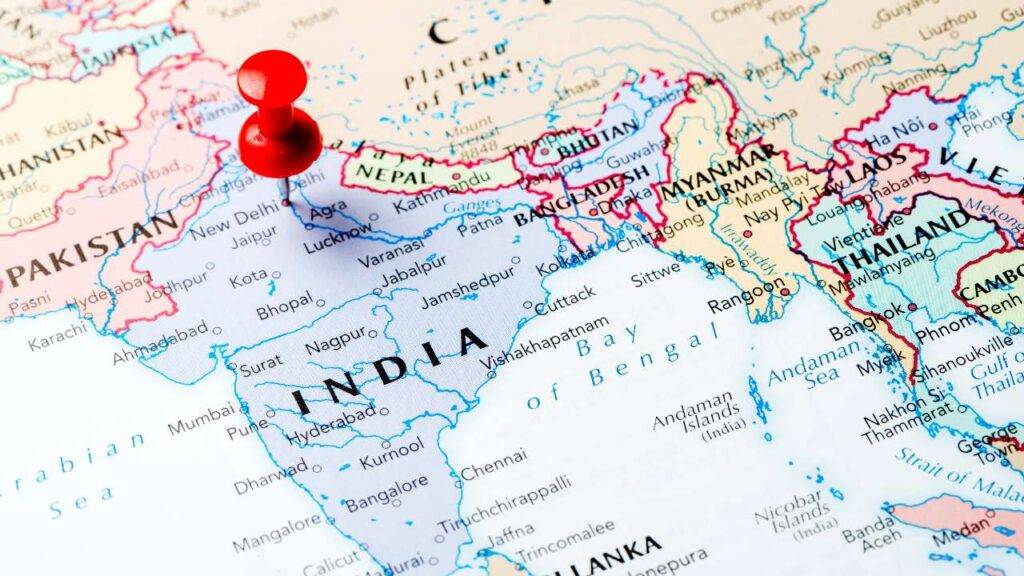
India is a continent masquerading as a country. Trying to see Delhi, Jaipur, and Goa in five days is a recipe for a breakdown. Your body will simply not keep up with the travel fatigue, nor with the enormous cost of travelling. What you will encounter is over-scheduling and spending more time in transit than in destinations. However, counter that, embrace the trending “Slow Travel”. Pick one state or circuit, like the Konkan Coast or the Buddhist Circuit. Plus, spend at least 3 days per city.
8. Drinking for Random Tap Water is Dangerous on Domestic Trips in India
If you are drinking water from a random tap, well, unfortunately, this is the fastest way to meet the inside of an Indian hospital room. Furthermore, not only drinking but also using tap water to brush your teeth can be harmful. You should also try to avoid drinking “regular” water at roadside dhabas. The best way to stay healthy on your domestic trips in India is to stick to sealed bottled water (check the seal!) or use a UV-purification bottle. Avoid ice in drinks unless you’re at a high-end establishment.
9. Stick to Fixed-Priced Travelling in Totally Unknown Places
Foreign tax is not limited only to foreign people, but if you are a Bengali person visiting South or North India, chances are, you might be charged more than necessary. After all, while the “local experience” of a random rickshaw is fun, it often ends in a price war. Therefore, try using ride-hailing apps in major cities like Uber, Ola, Rapido or even the government’s own apps. Not only does it give you a fixed price, but the GPS tracking adds a vital layer of safety, especially for solo travellers.
10. Better Opt for Insurance for Domestic Trips in India
“I’m staying in India, why do I need insurance?” is a famous last word. Like abroad, India is in itself a land of vast, diverse culture. Thus, you can easily come across unexpected situations that you must be prepared for. Remember, assuming your credit card or basic health plan covers travel-specific mishaps is a wrong move.
So, it is better for domestic insurances which is incredibly cheap (often under ₹500). It covers flight cancellations, lost baggage on trains, and emergency medical evacuation. Which is essential if you’re trekking in places like Spiti or Ladakh. Now, before we wrap up, keep the following in your backpack for smoother travelling:
| Physical ID | Aadhaar or Driver’s License (Because the airports will ask for the original). |
| Power Bank | UPI and GPS drain batteries faster than you think. |
| Hand Sanitizer | A must-have before every street-food session. |
Final Thoughts
Domestic travel can be a beautiful contradiction. On one hand, you’re using facial recognition to board a high-speed Vande Bharat train to a spiritual hub; on the other, you might still find yourself stuck in a 2-hour traffic jam because of a local festival.
The secret to a perfect Indian holiday isn’t just about avoiding mistakes, but it’s about having the agility to pivot. Use the technology available, respect the local traditions, and always, always keep a little extra time (and a little extra cash) in your pocket. Domestic trips in India don’t just show you sights; it teaches you patience and the art of “going with the flow.”
FAQs
- Is DigiYatra mandatory for domestic flights?
- No, but skipping it is like choosing dial-up in a fibre-optic world. It’s voluntary but saves you roughly 30–45 minutes of standing in manual security lines.
- Can I survive a trip with only UPI and zero cash?
- Almost, but don’t risk it. While 95% of India is digital, keep ₹2,000 in small notes for remote areas or those inevitable “server down” moments at toll booths.
- Are overnight trains safe for solo female travellers?
- Yes. But stick to 2AC or 3AC coaches for better security and a family-friendly crowd. You should also download the Rail Madad app for 24/7 instant assistance on board.
- What is the biggest “seasonal” mistake to avoid right now?
- Packing for one climate. In February/March, North India can still be chilly and foggy, while the South is already hitting 35°C. Always pack breathable layers!