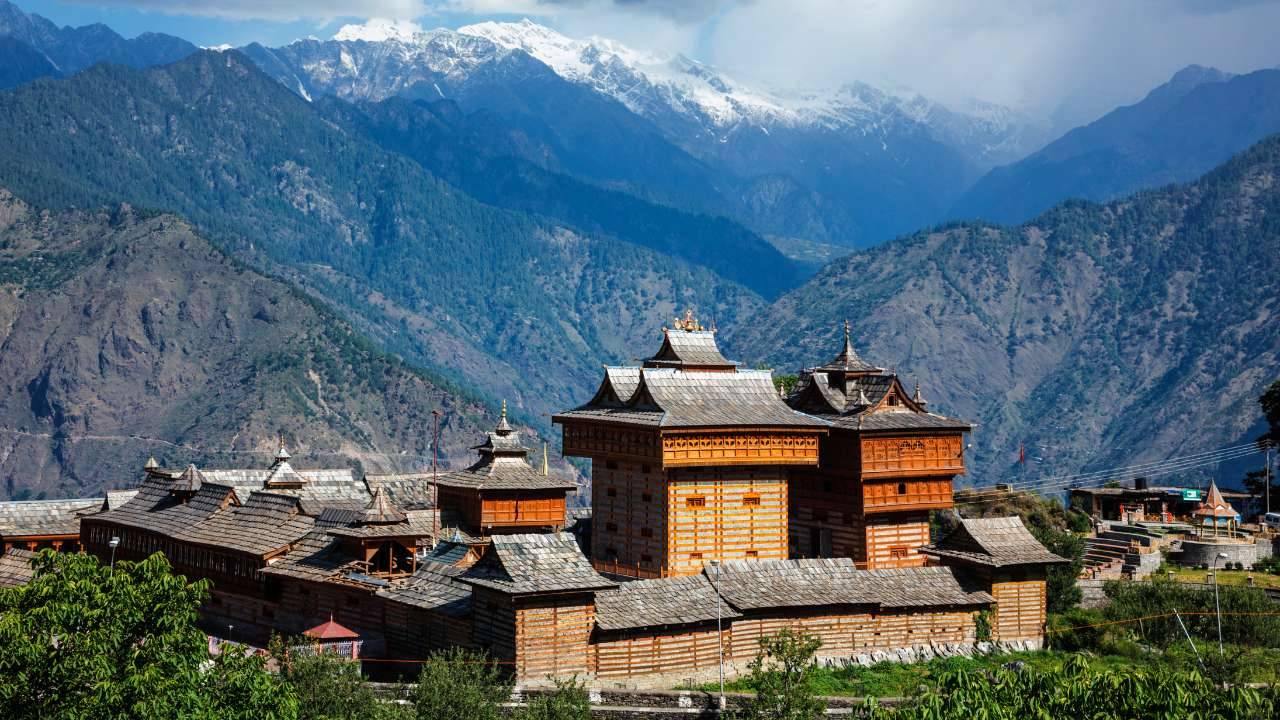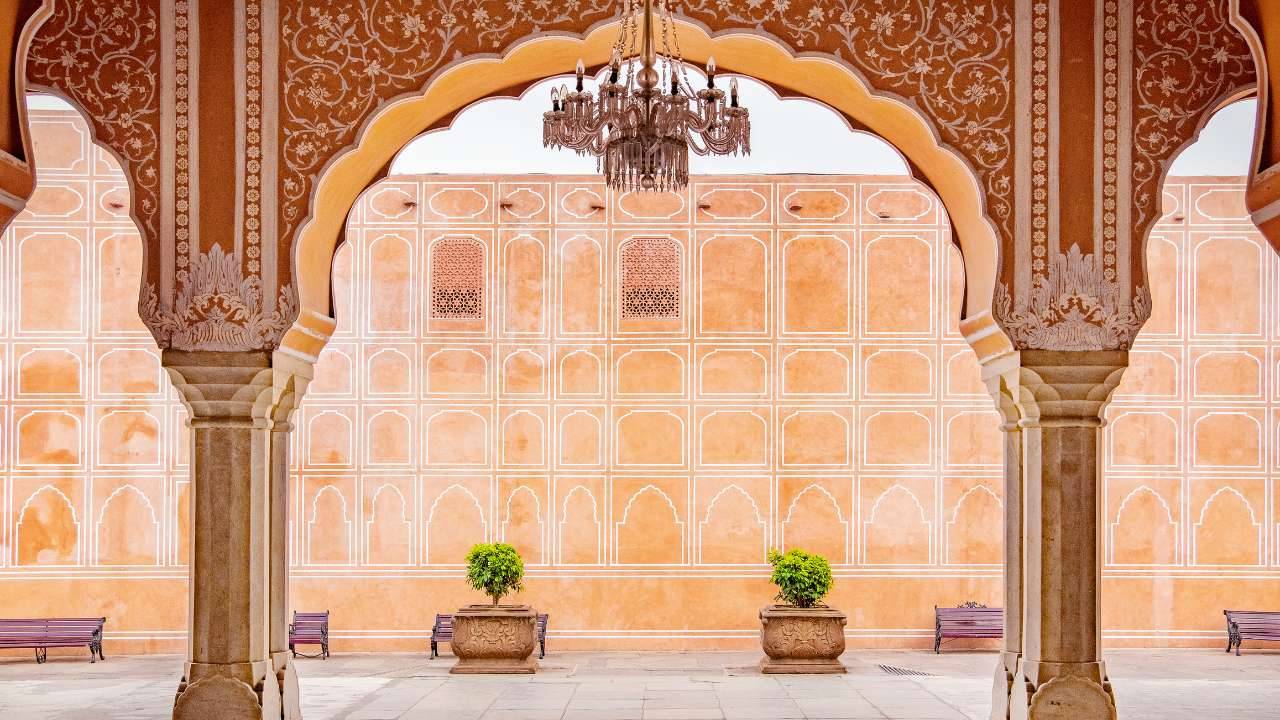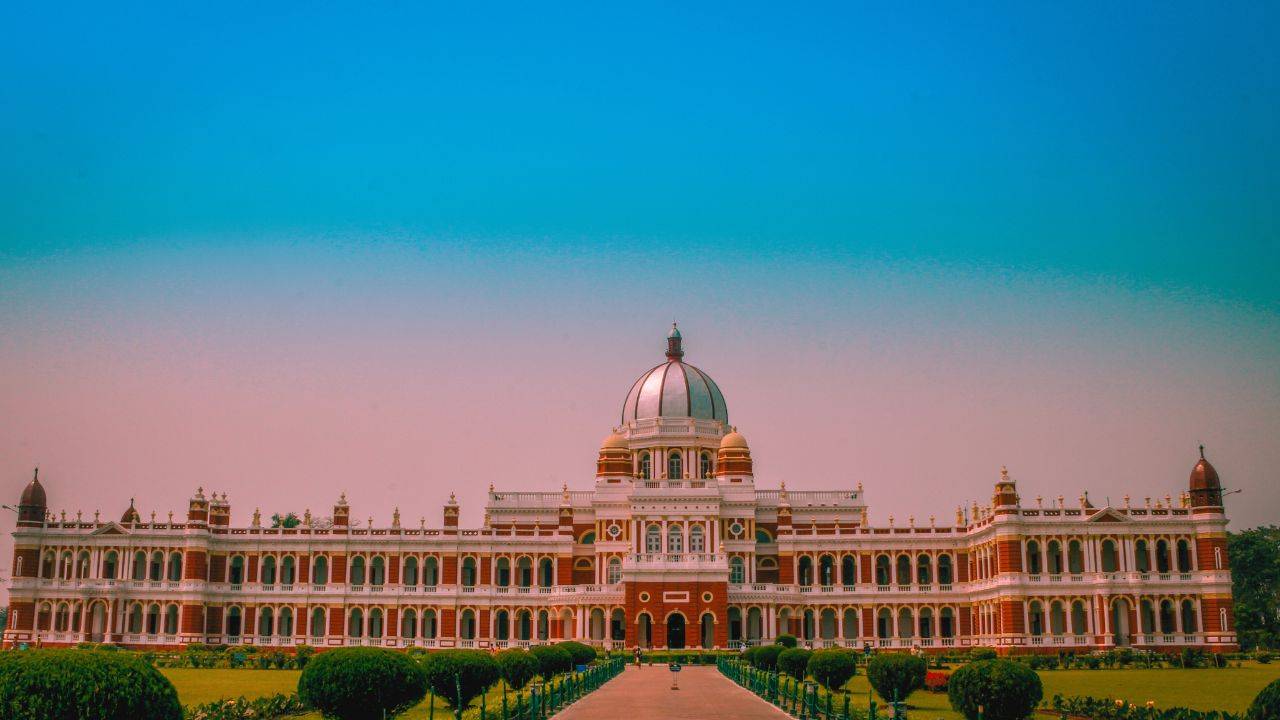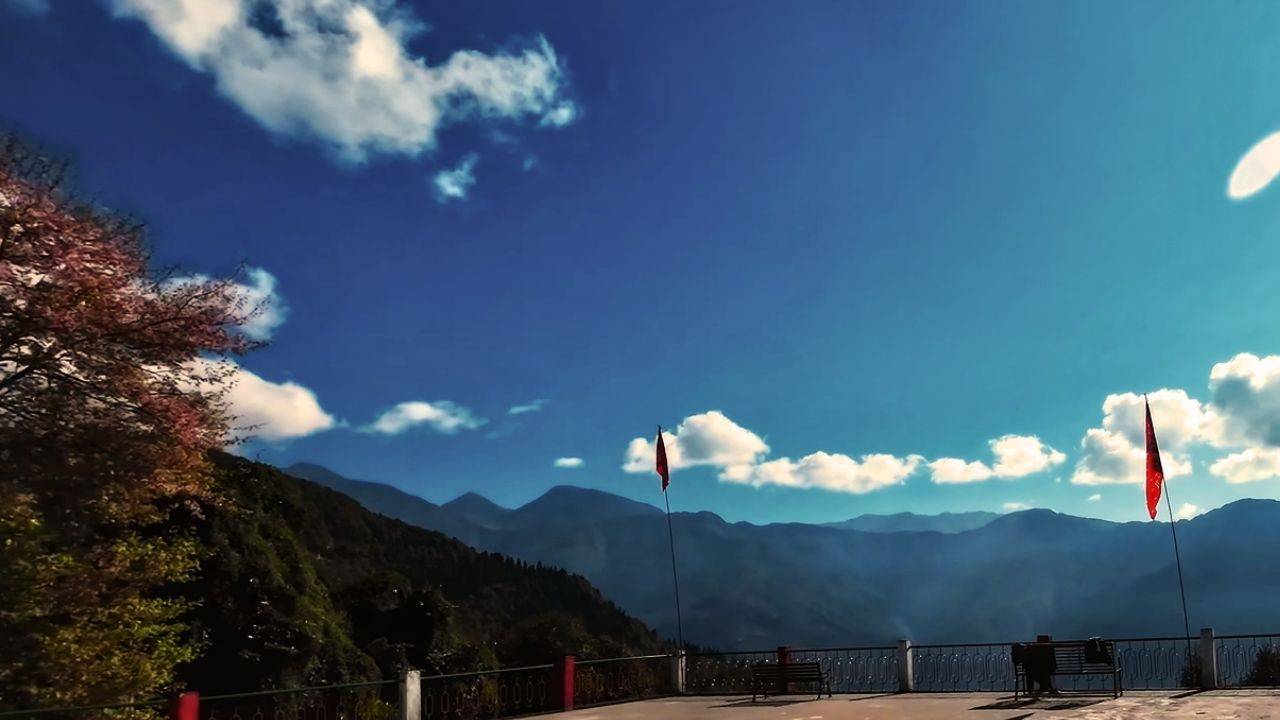
Nestled in the clouds, Gangtok, the capital of Sikkim, is a breathtaking hill station that offers a perfect blend of natural beauty, spiritual solace, and modern charm. With stunning views of the snow-capped Mount Kanchenjunga, vibrant Buddhist monasteries, and a welcoming local culture, Gangtok is an ideal escape from the hustle and bustle of city life. However, what is the most optimal way to make your way to Gangtok? What are the places you should visit after reaching your destination? Well, this is where mapunseen comes in with our Gangtok tour guide in this blog.
Gangtok Tour Guide: Know Its History
Once a small, sleepy hamlet, Gangtok’s journey to prominence began in 1840 with the construction of the Enchey Monastery, turning it into a significant Buddhist pilgrimage site. Its importance grew in 1894 when the ruling Sikkimese monarch, Chogyal Thutob Namgyal, shifted the capital from Tumlong to Gangtok.
For decades, it served as the capital of the independent Kingdom of Sikkim and a major stop on the historic trade route between Lhasa in Tibet and cities like Kolkata. In 1975, Sikkim merged with India to become its 22nd state, and Gangtok remained its capital. Today, it stands as a unique city, known for its cleanliness (especially the vehicle-free MG Marg), stunning landscapes, and rich cultural heritage.
What is the Best Time to Visit According to Our Gangtok Tour Guide
Keep in Mind that timing is crucial for the best Himalayan experience. On the other hand, we know that Gangtok is welcoming for most time of the year, but each season offers a different charm. Which means you will experience a different Gangtok at each time of the year. Let us be more specific below:
| Spring (March to May) | According to our Gangtok Sikkim travel guide, this is arguably the best time to visit. The weather is pleasantly cool (11°C to 24°C), and the hillsides are alive with blooming rhododendrons and other flowers. The famous International Flower Festival is also held during this time. |
| Monsoon (July to September) | It is highly advisable to avoid this season. The region receives heavy rainfall, which often leads to landslides and roadblocks, disrupting travel plans. |
| Autumn (October to November) | If we follow our Gangtok trip guide, this is the second-best season. The monsoon has just washed the region clean, leaving behind lush greenery and, most importantly, clear blue skies. This period offers the most spectacular and unobstructed views of the Kanchenjunga range. |
| Winter (December to February) | This season is for those who love the cold. Temperatures can drop to 2°C, and snowfall is common in high-altitude areas like Tsomgo Lake and Nathu La. The city itself may receive occasional snowfall. |
Tips to Reach Gangtok from Kolkata: According to Our Gangtok Tour Guide
By Air (The Fastest Option)
Gangtok does not have its own railway station or a major airport. The journey is typically completed in two parts. According to our Gangtok Sikkim travel guide, the fastest option is by air travel. In particular, you can get a direct flight from Kolkata (CCU) to Bagdogra Airport (IXB) in West Bengal. The flight duration is approximately 1 hour and 10 minutes.
After reaching Bagdogra, Gangtok is about 125 km away. Here, you can either hire a private taxi, which takes about 4-5 hours, or take a shared taxi, which may take an additional hour but will be cheaper. However, keep in mind that Pakyong Airport (PYG) is much closer to Gangtok (~30 km), but flight services from Kolkata are infrequent and often get cancelled due to weather. This makes Bagdogra the most reliable option.
By Train (Most Popular & Budget-Friendly)
According to our Gangtok travel guide, the train journey is also two parts. On the first day of boarding a train, you can take an overnight or a day train journey from Kolkata (Sealdah or Howrah) to New Jalpaiguri (NJP) railway station, which is the main hub for North Bengal and Sikkim. From NJP, Gangtok is about 120 km away. Taxis (both private and shared) are readily available outside the station, and the journey takes 4-5 hours.
By Road (Best with a Group)
At this point, you have gotten pretty much the idea that the journey to Gangtok is pretty much divided into two parts. If we follow our Gangtok tour guide, you can take an overnight government or private bus from Esplanade (Kolkata) to Siliguri (which is very close to NJP). From the Siliguri bus stand, take a taxi or a Sikkim Nationalised Transport (SNT) bus to Gangtok.

Top Attractions and Things To Do in Gangtok
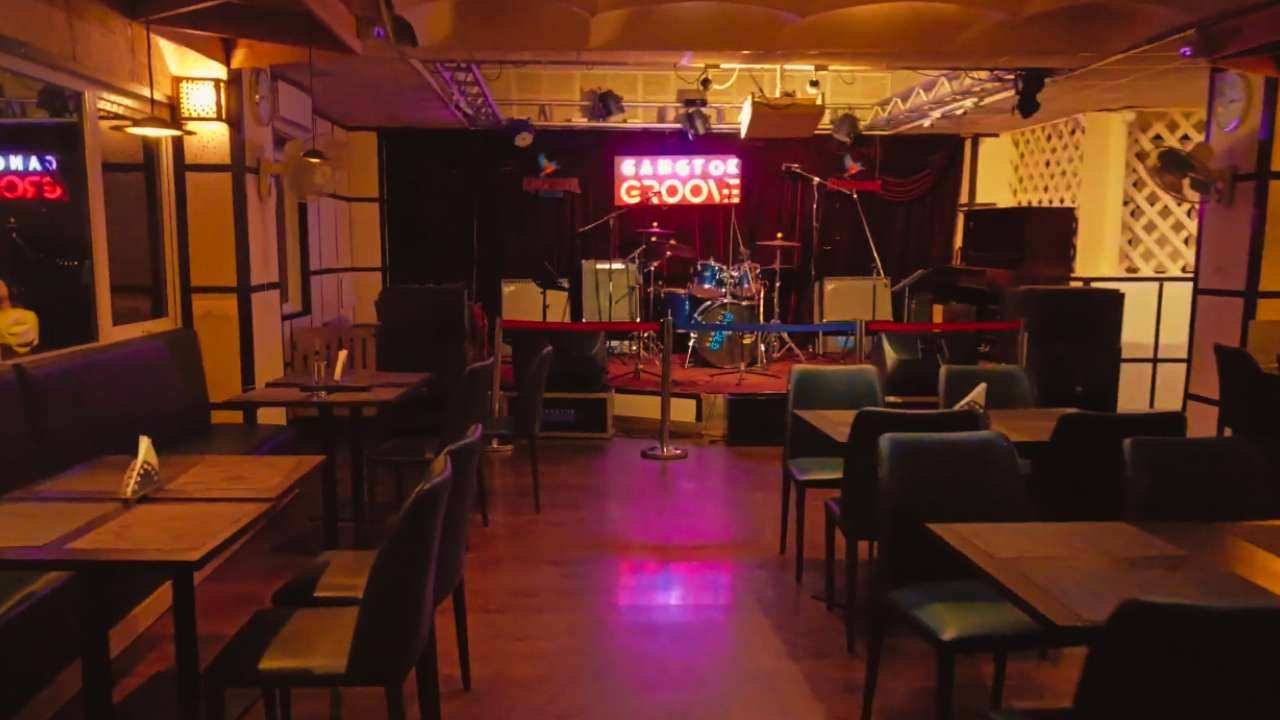
Gangtok offers a wide array of sights for every type of traveller. For example, you can check out the various cafes in Gangtok. Furthermore, you can also enjoy the city as it is one of the cleanest cities in India. Especially, MG Marg, which is the heart and soul of Gangtok. This clean, vehicle-free promenade is perfect for a leisurely stroll, shopping, and trying local cuisine at the many restaurants and cafes.
You can also check the Gangtok Ropeway, which is a 1-km-long cable car ride. It offers a stunning bird’s-eye view of the city and the surrounding valleys, starting from Deorali and going up to Tashiling. You can also visit Tashi Viewpoint, which is the best spot within the city to catch breathtaking sunrise and sunset views of Mount Kanchenjunga.
Rumtek Monastery another another wonderful place that you need to visit. Located on the outskirts, this is one of the largest and most significant monasteries in Sikkim. It’s a magnificent example of Tibetan Buddhist architecture. Furthermore, do not miss out on Ganesh Tok & Hanuman Tok, which are located on high ridges, offering panoramic views of Gangtok and the snow-capped peaks. Also check out Do Drul Chorten, built in 1945, which is a large, gleaming white stupa surrounded by 108 prayer wheels.
According to our Gangtok trip guide, the Himalayan Zoological Park is a must-visit. The zoo is spread over 200 hectares, and it is home to rare Himalayan animals like the Red Panda, Snow Leopard, and Tibetan Wolf, kept in their semi-natural habitats. Lastly, ensure to see Banjhakri Falls and Energy Park. It is a beautiful, 100-foot waterfall set within a landscaped park, which is the perfect spot for a picnic.
Gangtok Tour Guide: Taking Your Excursion to the Next Level
These high-altitude destinations are the highlights of any Gangtok trip; however, to take part, you need to have a permit.
| Tsomgo Lake (Changu Lake) | A stunning glacial lake located at 12,310 feet. The lake’s surface reflects different colours with the changing seasons and is often frozen solid in winter. You can also enjoy a yak ride here. |
| Nathu La Pass | Located at 14,140 feet, this is the historic pass on the Indo-China border. You can see Chinese soldiers on the other side. However, remember that it is open only to Indian citizens, and visits are permit-dependent and closed on Mondays and Tuesdays. |
| Baba Harbhajan Singh Mandir | A shrine dedicated to a revered Indian army soldier, believed to protect the soldiers posted in the area. It is usually covered on the same trip as Tsomgo Lake and Nathu La. |
Essential Travel Tips You Need to Keep in Mind
Remember, permits are the key to gaining access to the most memorable places in Gangtok. In particular, while Indian citizens do not need a permit to enter Gangtok city, you must obtain a Protected Area Permit (PAP) for visiting Tsomgo Lake, Nathu La, and North Sikkim. But how are you supposed to get one? Well, these are typically arranged by registered travel agents in Gangtok. You require your Valid Photo ID proof (Voter ID, Passport, or Driver’s License) along with several passport-sized photographs
On the other hand, visiting places that are in high-altitude locations, like Tsomgo Lake and Nathu La. Such places can cause acute mountain sickness (AMS). It’s advisable to rest on your first day in Gangtok and plan these excursions for the following days. Furthermore, here the weather changes quickly. Always carry layers like thermals, fleece jackets, and a windproof/waterproof outer layer, regardless of the season.
In our Gangtok Sikkim travel guide, we recommend that you carry cash: While ATMs are plentiful on MG Marg, they can be unreliable in other areas. Carry sufficient cash, especially for taxis and small purchases on your excursions. Moreover, you will be doing a lot of walking, often on steep slopes. Good-quality, comfortable walking shoes are non-negotiable.
Also, keep in mind to dress modestly when visiting monasteries. Remove your shoes and hat before entering, and always walk in a clockwise direction around stupas and prayer wheels. Particularly, you need to respect the local culture, customs and avoid causing any disturbance, so avoid bringing anyone who might not have the best track record of maintaining their modesty. Lastly, drink plenty of water, especially at high altitudes, to help with acclimatisation.
Conclusion
Gangtok is more than just a hill station; it’s an experience. It’s a city that has masterfully balanced its ancient traditions with a forward-thinking, clean, and modern outlook. From the spiritual calm of its monasteries to the adrenaline rush of a drive to the border, Gangtok offers a unique and unforgettable escape. It is, without a doubt, one of the most charming capitals in India and a perfect getaway. With that being said, mapunseen hopes that you got something valuable from our Gangtok tour guide.
FAQs
- How many days are enough for a Gangtok trip from Kolkata?
- A 4-night, 5-day trip is ideal. This gives you one day for travel, two days for local Gangtok sightseeing (including the Rumtek Monastery), one full day for the Tsomgo Lake and Nathu La excursion, and one day for your return journey.
- Is Gangtok safe for solo travellers?
- Yes, Gangtok is considered one of the safest cities in India for all travellers, including solo women. The people are friendly and helpful, and the crime rate is very low.
- What local food should I try in Gangtok?
- You must try the local delicacies! Don’t miss Momos (dumplings), Thukpa (a hearty noodle soup), Phagshapa (a pork and radish dish), and Sael Roti (a sweet, ring-shaped bread).
- Can I see snowfall in Gangtok?
- While snowfall in Gangtok city is rare (possible in peak winter like Jan-Feb), you can almost certainly experience snow at Tsomgo Lake and Nathu La Pass from December to March.
- What kind of ID is required for permits?
- For Indian citizens, a valid government-issued photo ID like a Voter ID card, Passport, or Driver’s License is required. Please note that Aadhaar and PAN cards are often not accepted for these permits. Always carry multiple photocopies and passport-sized photos.