Sikkim is a paradise for photographers, with the majestic snow-capped peaks of Kanchenjunga, the tranquil interiors of ancient monasteries, and colourful prayer flags dancing in the mountain breeze. Thus, every scene needs to be picture-perfect for your Sikkim trip. But it’s also a rugged, high-altitude place, which makes it difficult to take the best snap.
There’s nothing more frustrating than looking through your photos after a long, tiring day of travel, only to see that your stunning shot of Gurudongmar Lake or a gushing waterfall has turned out soft or blurry. Sikkim’s bumpy roads, freezing cold, and unpredictable mountain light all seem determined to ruin sharp images. So, here is a realistic, practical guide by your ultimate tour guide, mapunseen, on how to conquer the elements and bring home tack-sharp photos from your trip to Sikkim.
Conquer Motion Blur on Your Sikkim Trip
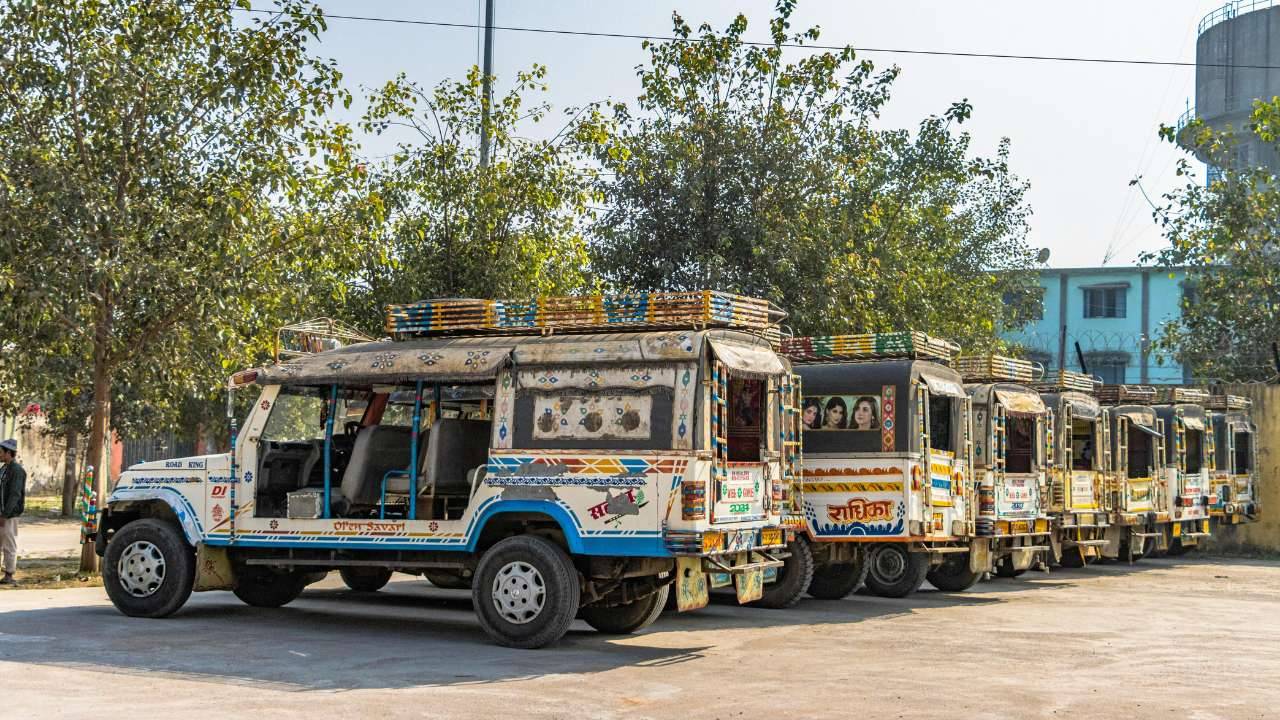
If you’re heading to North Sikkim to places like Lachen, Lachung, or the Yumthang Valley. You should expect to spend plenty of time in a jeep bumping along rough, unpaved mountain roads. Trying to take photos from a moving, jostling vehicle is the easiest way to end up with blurry travel shots.
However, if a scene attracts your eyes, ask the driver for a quick stop. Do not feel awkward, it is the simplest solution is to ask your driver to pull over for a moment. Locals are accustomed to the stunning scenery and usually don’t mind a brief stop.
If you have no option but to shoot from a moving vehicle, then think of it like sports photography. Thus, crank up the shutter speed by going for 1/1000s or quicker. Using a fast shutter speed helps you to freeze the motion of both the car and the scenery.
Alternatively, you can also use Burst Mode. Set your camera or phone to continuous shooting (burst mode). The jeep will probably hit a pothole just as you press the shutter, but snapping 4–5 frames boosts your chances of getting at least one sharp shot. Keep in mind, never rest your lens or elbows on the vehicle’s window or door frame, as vibrations from the engine and road will transfer straight into your camera.
How to Manage Shaky Hands on Your Sikkim Trip
At high-altitude spots like Zero Point, Kala Patthar, or Nathu La Pass, the freezing temperatures bring their own set of challenges for keeping images sharp. For instance, numb and freezing fingers lead to clumsy, jerky presses of the shutter button, which shakes the camera. Therefore, to solve this issue, try to invest in photography gloves with fold-back fingertips. So you can stay warm but still have the dexterity to gently press the shutter.
But, beware of condensation, as this is a silent killer of sharp photos. When you bring a cold camera into a warm, heated jeep or hotel room, moisture quickly forms on the lens and even inside the camera. Wiping it just smears the condensation and can ruin your next shots. Thus, before going inside, seal your camera in an airtight Ziploc bag and let it gradually warm up to room temperature for about an hour before taking it out.
Lastly, try to keep batteries for your camera warm because cold weather drains batteries incredibly fast. A low battery can slow down your autofocus, so keep spare batteries in an inside pocket to stay warm from your body heat.
Master the Misty & Low-Light Environments on the Sikkim Tour
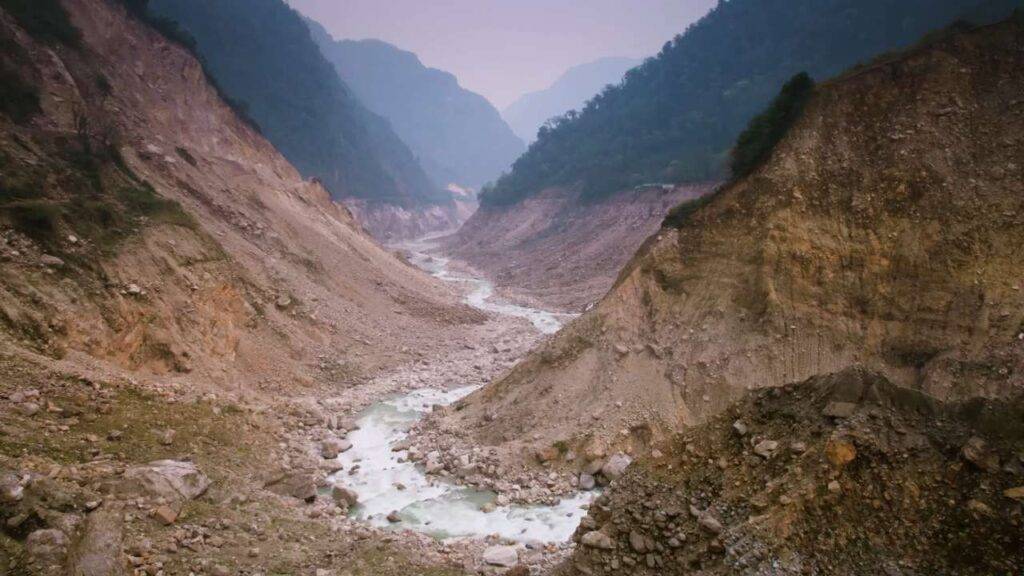
The weather on your Sikkim trip can shift in a heartbeat. One moment you could be enveloped in dense fog in Pelling, the next wandering through the softly lit halls of Rumtek Monastery. Both situations are nudging your camera into slower shutter speeds and risking a touch of blur.
To handle low light, don’t hesitate to bump up your ISO to 800, 1600, or even 3200. A bit of grain is always preferable to a blurry shot. However, to ensure your low-light landscape shots come out great, carrying a lightweight, sturdy travel tripod is essential, as it eliminates camera shake. When shooting long exposures of waterfalls like Bhim Nala, a tripod is the best way to achieve silky water while keeping the rocks crisp and sharp.
Turn on image stabilisation by enabling Optical Image Stabilisation (OIS) on your phone or Vibration Reduction (VR/IS) on your camera lens when shooting handheld. If your camera is on a tripod, switch it off, as the stabilisation can cause slight blur while looking for movement that isn’t there. The best way to get great low-light photos is to have the patience to take the perfect shot, no matter what.
Gain Expertise on Your Autofocus in the Snow
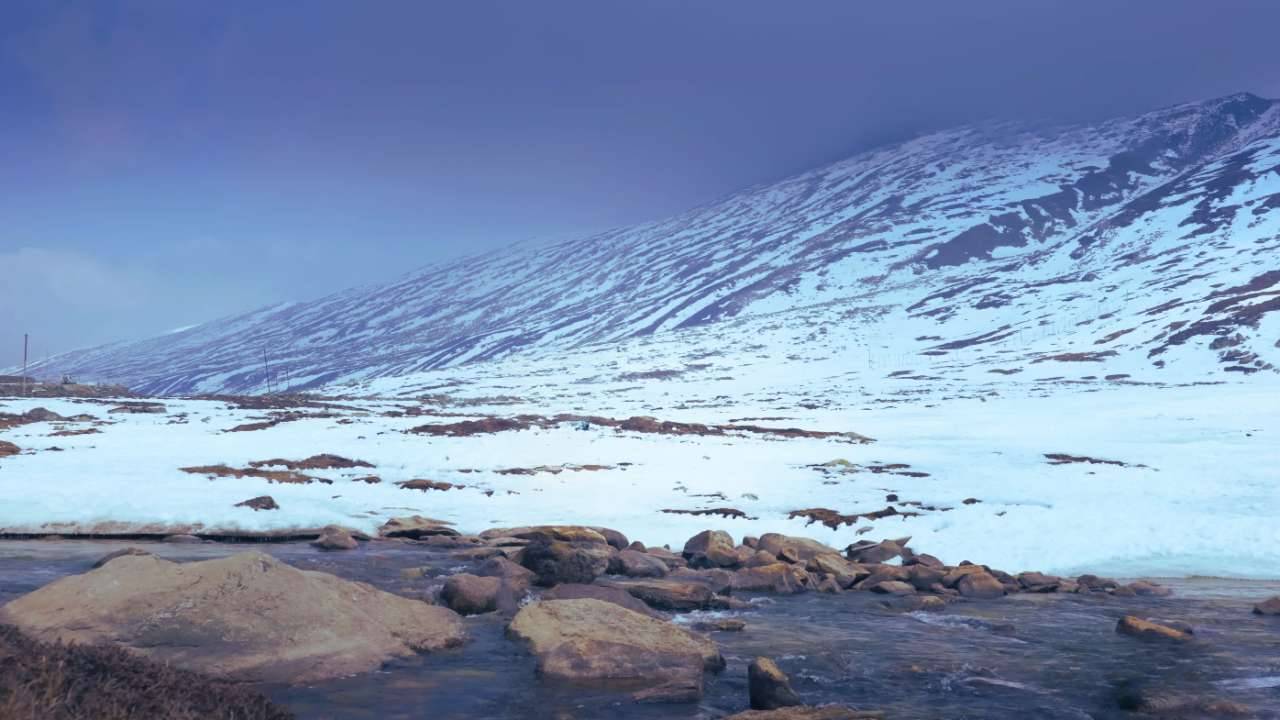
Autofocus works by detecting contrast, so when you aim your camera at a vast, white, snow-covered scene like Gurudongmar Lake. The lens often “hunts” back and forth, struggling to find something to lock onto, which can leave you with a blurry shot. Therefore, you should set your camera to single-point autofocus, aim the focus point at something dark or textured. For example, like a rock poking through the snow, a bright prayer flag, a mountain peak’s edge, or a person, lock the focus, then reframe your shot.
| Scenario | Main Cause of Blur | Quick Fix / Recommended Setting |
| Bumpy Jeep Rides (North/West Sikkim) | Motion blur from vehicle movement | Shutter speed 1/1000s+, Burst Mode, do not lean on windows. |
| Freezing Altitudes (Nathu La, Gurudongmar) | Camera shake from shivering/numb hands | Wear tactile photography gloves; practice a gentle shutter press. |
| Dimly Lit Monasteries (Rumtek, Pemayangtse) | Camera choosing a slow shutter speed | Increase ISO (800 – 3200), use a tripod, or turn on Image Stabilization. |
| Heavy Snow/Fog (Zero Point, Tsomgo Lake) | Autofocus “hunting” (failing to lock on) | Increase ISO (800 – 3200), use a tripod, or turn on Image Stabilisation. |
Conclusion
Sikkim’s stunning landscapes are a photographer’s dream, but the rugged terrain and unpredictable weather can really put your skills to the test. Planning makes all the difference in your Sikkim trip. Whether it’s cranking up your shutter speed on those bumpy rides to Lachen, stashing a Ziploc bag to prevent lens fog, or setting up a tripod in the soft light of ancient monasteries. Don’t let a shaky shot spoil an incredible view. Keep warm, protect your gear, stick to the basics, and you’ll come back with a collection as crisp and breathtaking as the Himalayas themselves.
FAQs
- Do I absolutely need to carry a tripod to Sikkim trip?
- For sharp photos in dimly lit monasteries, crisp shots of starry skies over the mountains, or silky smooth captures of the Naga or Bhim Nala waterfalls, a tripod is a must-have. While you can skip it for casual daytime shooting and leave it at the hotel, it’s an essential tool for low-light photography.
- Why do my smartphone pictures keep coming out blurry in the snow?
- Smartphones depend on contrast to lock focus, so in a wide expanse of white snow, the camera can get confused and struggle. To work around this, frame your shot and tap on a dark object, like a person’s jacket, a yak, or a rock, so the phone focuses there before you snap the picture.
- What is the best camera lens to bring to avoid changing gear in bad weather?
- A versatile zoom lens, like a 24-70mm for full-frame or an 18-135mm for crop sensors is perfect. It lets you capture wide landscapes and zoom in on far-off peaks without the hassle of constantly swapping lenses, reducing your camera’s exposure to Sikkim’s dust, chilly winds, and moisture.
- Can altitude sickness medication make my hands shake?
- Some common altitude sickness medications, like Acetazolamide (Diamox), can cause mild tingling or trembling in your hands and feet as a side effect. If that happens, it’s especially important to use a fast shutter speed or a tripod to counteract any extra hand shake.