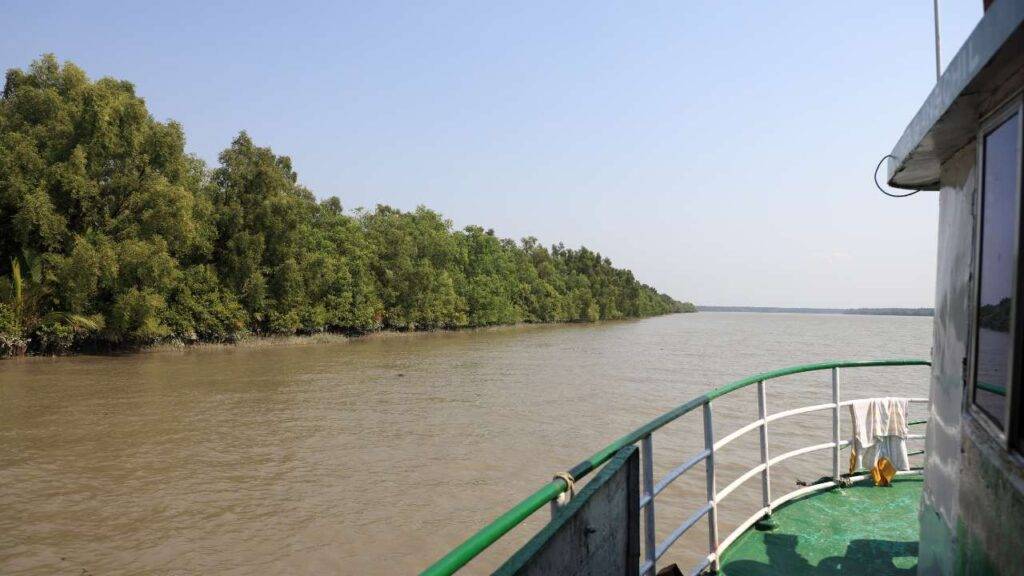
Exploring the Sundarbans, known as the world’s largest mangrove forest and the legendary territory of the Royal Bengal Tiger. It is an adventure that calls for more than a camera and a thrill-seeking spirit. With its rare landscape, where swirling tides meet thick jungle, the area comes with unique health considerations every visitor should be ready for. To keep your Sundarbans trip unforgettable in all the best ways, we recommend five key health tips for staying safe on your trip. At mapunseen, we try to ensure that you have a great experience on your journey to the UNESCO World Heritage site.
1. Prioritise Safe Hydration and Water Hygiene in Your Sundarbans Trip
In the humid, tropical climate of the Sundarbans, dehydration is the most immediate health concern. High temperatures combined with the water’s reflective glare during boat safaris can quickly cause heat exhaustion. Since the area is a “No Plastic Zone,” it’s important to stay hydrated while being eco-friendly. Therefore, before starting your Sunderban trip, try to bring a high-capacity, reusable metal or BPA-free bottle.
However, that is not the end; make sure to only refill from trusted, filtered sources provided by your resort or tour operator. Avoid tap water completely, as it’s often brackish or contaminated with pathogens like typhoid or cholera. To be extra safe, pack oral rehydration salts (ORS) or electrolyte powders, which can be a real lifesaver if you feel drained after a long day on the water.
2. Ensure to Guard Against Tropical Insects and Pests in Sundurban Tour
Mangroves are rich in wildlife, but they’re also home to plenty of mosquitoes and other biting bugs. To avoid diseases like malaria and dengue, common in tropical deltas, it’s smart to use a mix of protective clothing and repellent. Go for lightweight, long-sleeved cotton shirts and full-length pants in earthy tones like olive or beige to stay cool while keeping bites at bay.
Furthermore, you can also make use of a strong, skin-safe insect repellent with DEET or Picaridin on any exposed skin. Especially at dawn and dusk when mosquitoes are most active. Also, make sure your place to stay has good-quality mosquito nets for a comfortable, bite-free night’s sleep. Safety from parasites is extremely important in your Sundarbans trip.
3. Maintain Sun Protection and Temperature Regulation on Sundarbans Trip
The sun in the Sundarbans can be surprisingly strong, especially when its light reflects off the vast river networks. Without the right protection, you could end up with a nasty sunburn or even heatstroke during your trip to Sundarban. A wide-brimmed hat is a must to shield your face and neck, and polarised sunglasses will cut down the glare from the water and help prevent eye strain.
Moreover, you need to make sure to apply a broad-spectrum sunscreen with at least SPF 30 regularly, even if it’s cloudy. With the high humidity, lightweight, breathable fabrics like cotton or linen will help keep you cool. If you start feeling lightheaded or overheated, let your guide know right away and find some shade on the boat.
4. Food Safety Must Be Your Priority During the Sundarbans Trip
While the local Bengali cuisine is a highlight of any Sundarbans trip, your stomach might not be used to the spices or cooking styles in remote areas, especially if you are coming from another state or even country. It’s best to stick to freshly cooked, steaming-hot meals from your tour operator or resort, as they’re less likely to carry bacteria.
Furthermore, skip raw salads or unpeeled fruit since they may have been washed in local water. Before a long boat ride, avoid heavy, oily, or super spicy foods to prevent motion sickness or an upset stomach. Packing light, dry snacks like nuts or glucose biscuits is a smart way to keep your energy up during long safaris between meals.
5. Carrying a Customised Medical Kit is Necessary on a Tour to Sundarban
In the remote Sundarbans, professional medical facilities are scarce and often require a long boat ride to reach. That’s why carrying a well-stocked personal medical kit is your best safeguard. Thus, pack essentials like broad-spectrum antibiotics (with your doctor’s approval), anti-diarrheal medicine, antihistamines for sudden allergic reactions, and motion sickness tablets for hours on swaying boats.
Moreover, make sure not to forget first-aid basics such as antiseptic wipes, waterproof bandages, and a small tube of antibiotic ointment for minor cuts. If you have pre-existing conditions, bring extra supplies of your regular medications, as finding a specific pharmacy deep in the mangroves is nearly impossible during the Sundarbans trip.
| Category | Top Recommendation | Why It Matters |
| Hydration | Drink only filtered/bottled water & use ORS. | Prevents severe dehydration and waterborne diseases. |
| Insects | Apply DEET/Picaridin; wear long sleeves. | Protects against Malaria, Dengue, and skin irritation. |
| Sun Protection | SPF 30+, wide-brimmed hats, & sunglasses. | Prevents heatstroke and painful UV burns from water glare. |
| Diet | Eat freshly cooked, piping-hot meals. | Reduces the risk of food poisoning in remote areas. |
| First Aid | Carry anti-diarrheals, bandages, & antihistamines. | Immediate care is vital since hospitals are hours away. |
Conclusion
Exploring the mangrove forest during your Sundarbans trip is a once-in-a-lifetime adventure into one of the planet’s most unique ecosystems. But along with its stunning beauty comes intense humidity, heat, and remoteness. By being mindful of what you eat and drink. As well as shielding your skin from the harsh elements, and packing a reliable medical kit. You can keep your attention on spotting the elusive Royal Bengal Tiger instead of dealing with avoidable issues. Preparation isn’t just about staying safe, but it’s about having the energy to truly capture the magic.
FAQs
- Is the Sundarbans trip safe for elderly travellers or young children?
- Yes, but be sure to take extra care. The humidity can be particularly hard on kids and seniors, so ensure they stay in the shade, drink lots of water, and avoid overexertion during forest walks. Most boat safaris are relaxed and accessible, though boarding and disembarking may require steady balance.
- What vaccinations should I have before visiting?
- There aren’t any vaccines unique to the Sundarbans, but make sure your regular shots like Tetanus, Typhoid, and Hepatitis A are current. Being a tropical area, it’s also a good idea to talk to your doctor about malaria prevention, especially if you’ll be there for a longer stay.
- What should I do if I get motion sickness on the boat?
- Since much of the trip is on the water, motion sickness can be common. Try sitting in the middle of the boat where the rocking is less noticeable, keep your eyes on the horizon, and bring along over-the-counter remedies like Promethazine or ginger lozenges.
- How far is the nearest hospital?
- Medical facilities in the core area are quite scarce. Larger villages like Gosaba have basic clinics, but for serious emergencies, you might need to travel several hours toward Canning or Kolkata. That’s why carrying a personal medical kit and having travel insurance is a must.