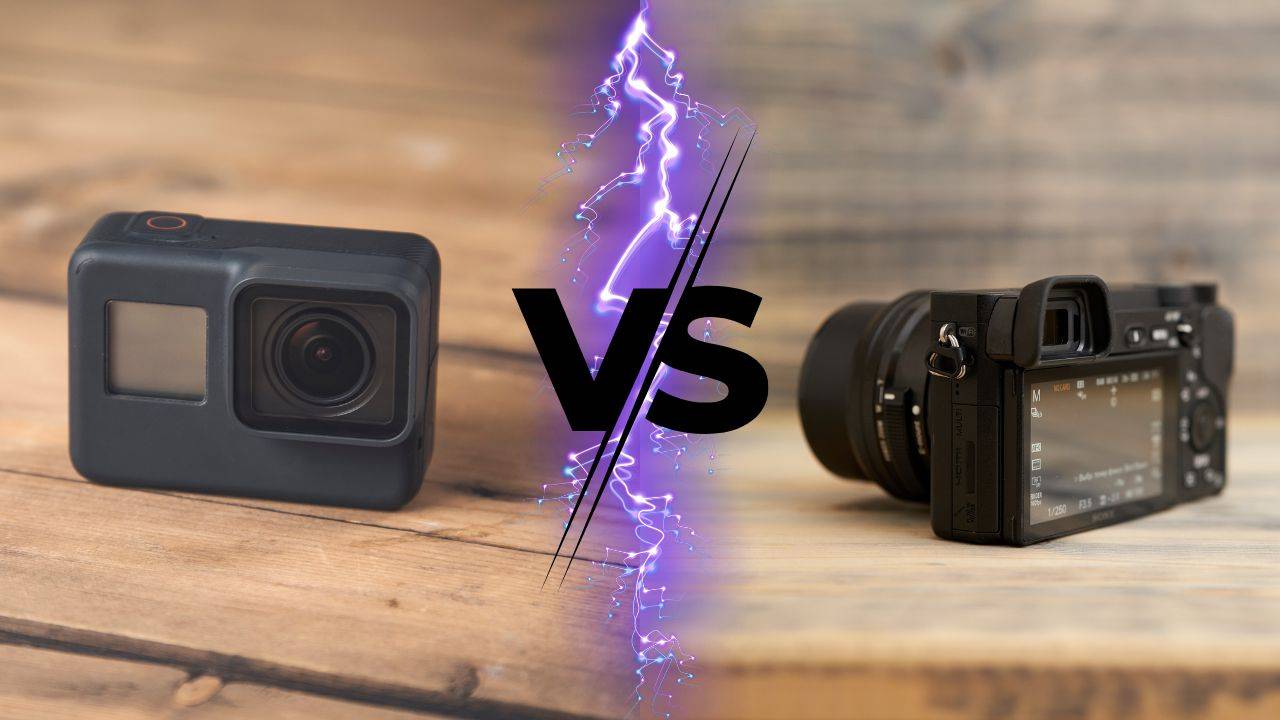
If you are an aspiring vlogger who wants to make their debut vlog as high-quality as possible on social media, the first thing you have to consider is which equipment to use! The confusion, especially, comes in the form of which device you should use to record yourself and your surroundings. Vlogging in India ranges from street view coverage to breathtaking mountain peaks. Therefore, you have to take into account many other considerations before choosing a camera. In this blog, mapunseen will help you make a decision between choosing a mirrorless camera and an action camera like GoPro.
Why You Need a Capable Video Capturing Gear for Vlogging in India
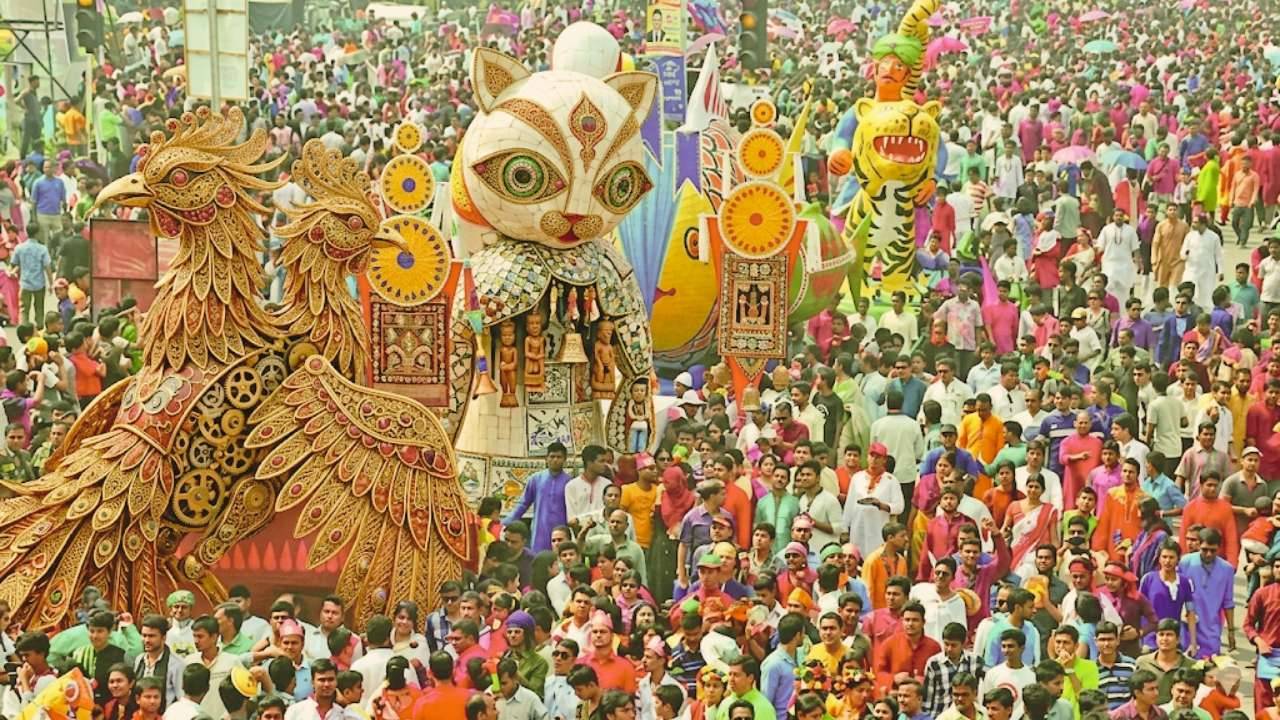
We know that the chaotic streets of Old Delhi to the serene backwaters of Kerala, choosing the right gear to capture India is crucial. After all, India isn’t just a place to visit but witnessing its vibrant feast for the senses. Bursting with colour, alive with a symphony of sounds, and offering landscapes that range from towering Himalayan peaks to sun-drenched tropical beaches of Goa in the blink of an eye. For a travel vlogger, India is a treasure trove of content.
However, its unique environment is bustling with crowds, intense weather, and vibrant energy, which brings a distinct set of challenges for camera gear. Therefore, if you have a plan for vlogging in India and capture your adventures, you are likely stuck at a crossroads: do you go for the cinematic prowess of a Mirrorless Camera or the rugged portability of an Action Camera? Let’s break down the pros and cons of both.
Are Action Cameras Best for Vlogging in India?
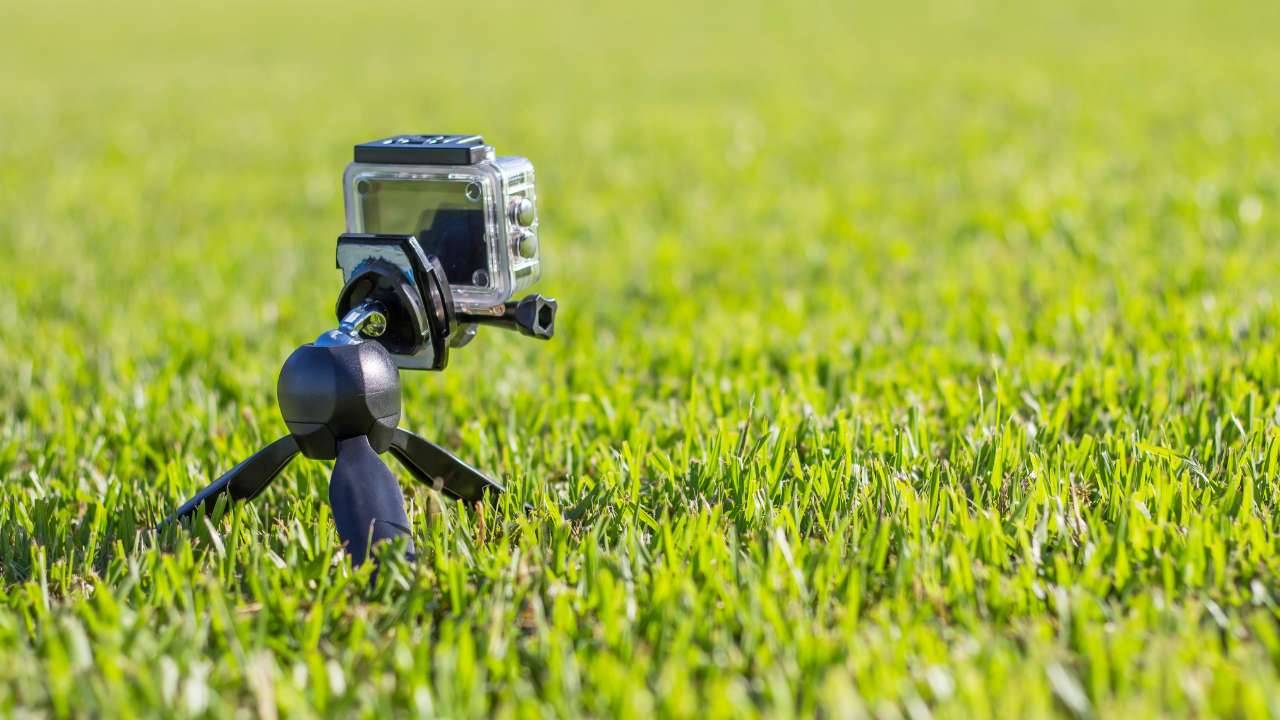
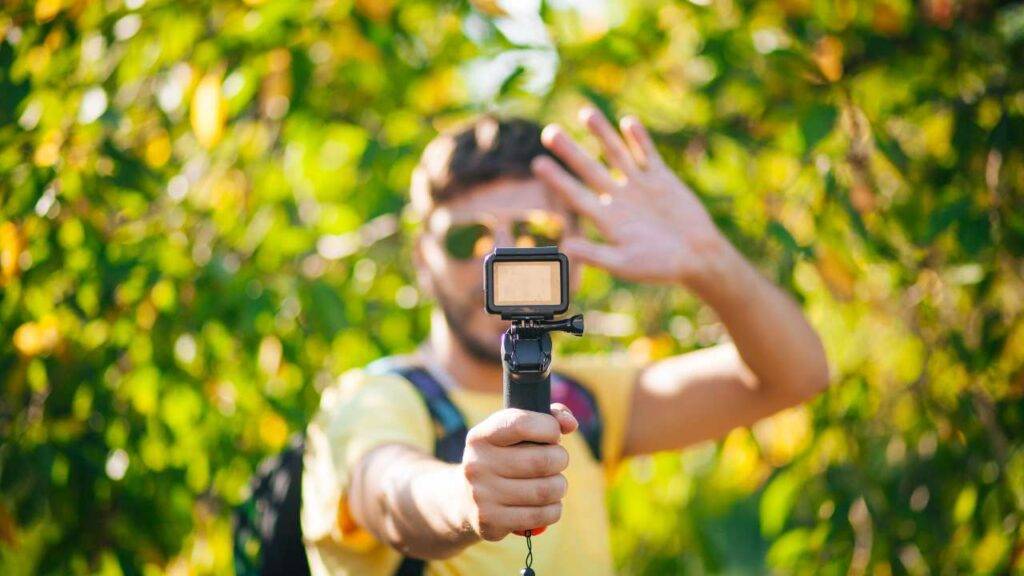
Action cameras have grown from being just extreme sports gadgets to becoming serious vlogging gear, perfect for solo travellers in lively, bustling settings. These action cameras, like GoPro Hero or DJI Osmo Action, are basically indestructible pocket rockets that can survive falls, deserts and high altitude mountains of our country.
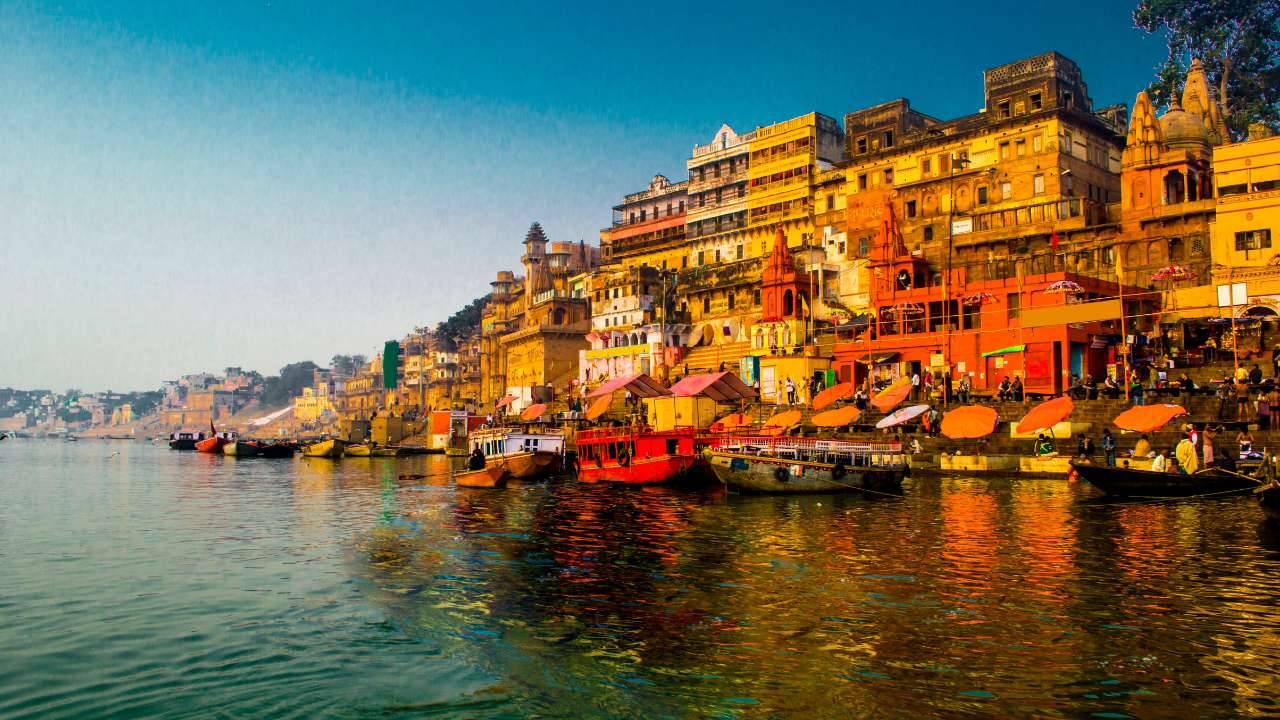
When it comes to their strengths, in crowded spots like Mumbai’s local trains or the narrow lanes of Varanasi, pulling out a big camera draws instant attention and sometimes even unwanted crowds. A small action cam on a grip is far more discreet, letting you capture candid moments without disturbing the vibe.
Furthermore, Northern India can get pretty dusty, while other regions turn incredibly wet during the monsoon. Action cameras are tough enough to handle it all, letting you film in a Cherrapunji downpour or on a dusty camel safari in Jaisalmer without worry. Not only that, Indian roads and their vehicles running on them can be quite a bumpy experience.
But the in-body stabilisation on modern action cameras works like magic, transforming shaky footage into smooth, watchable content without the need for a gimbal. Moreover, the wide-angle lens is fantastic for capturing grand landscapes or showing the sheer scale of a crowded festival from a first-person point of view (POV).
What are the Problems with Action Cameras?
As the sun sets over the Ganges during the evening Aarti, action cameras begin to falter, and the footage quickly turns grainy in the low light. This is the majority case with a lot of entry-level action cameras. However, new generation cameras are now coming with 1-inch sensors for better low-light performance, enhanced by a better processing pipeline.
But the onboard mics on action cams tend to capture wind and traffic noise over your voice, so you’ll need an external mic adapter and microphone, which unfortunately takes away from the portability. Lastly, you are mostly stuck with that deep focus, wide-angle “fisheye” look. It’s hard to get cinematic shots with blurry backgrounds (bokeh) to isolate a subject.
Are Mirrorless Cameras the Best for Vlogging in India?
If you care about cinematic storytelling in your vlog videos, then opting for mirrorless cameras from the Sony Alpha series, Canon EOS R, and Fujifilm X series might be the play. After all, Mirrorless cameras deliver pro-level video quality in a compact body, far smaller than traditional DSLRs. If you’re aiming to create travel films instead of just casual vlogs, this is where you want to be. We can also give you other reasons why mirrorless cameras excel.
To begin with, the vibrant colours of Rajasthan’s textiles and the intricate details of South Indian temple architecture truly deserve the larger sensors of mirrorless cameras. The resulting footage is crisp, vivid, and highly editable thanks to its RAW format capturing capabilities. Moreover, you can switch lenses based on the situation: a wide lens for vlogging, a zoom lens for wildlife in Ranthambore, or a prime lens for street portraits in Kolkata.
Looking for that professional shot with you in crisp focus against the beautifully blurred chaos of a Delhi bazaar? A mirrorless camera paired with a fast lens is the key to achieving that creamy bokeh. Furthermore, these cameras come with dedicated microphone ports and hot shoes, so you can easily attach a high-quality shotgun mic, like a RØDE VideoMic, to clearly capture your voice while minimising background noise.
What Problems do Mirrorless Cameras Come With?
In many parts of India, if you are carrying a big camera and a fluffy microphone quickly draw stares, spark questions, and attract people eager to jump into the shot. It can make candid vlogging feel a bit intimidating. On the other hand, the biggest problem with them is lugging that camera body around. Especially, if it includes two lenses, spare batteries, and a tripod up the fort’s stairs in 40°C (104°F) heat is utterly draining. Lastly, you have to baby this gear. Sudden monsoon downpours or blowing desert sand can be disastrous for expensive sensors and lenses.
| Feature | Action Camera | Mirrorless Camera | Winner for India |
| Crowded Bazaars | Discreet, easy to hold high. | Attracts too much attention. | Action Cam |
| Scenic Landscapes (Himalayas/Beaches) | Great wide views, but flat. | Captures depth, detail, and scale beautifully. | Mirrorless |
| Auto-Rickshaw Rides | Incredible stabilization smooths the bumps. | Shaky unless you have a heavy gimbal. | Action Cam |
| Cultural Portraits | Too wide, distorts faces close up. | Beautiful bokeh makes subjects pop. | Mirrorless |
| Monsoon/Dusty Travel | Waterproof and dustproof out of the box. | Needs careful weather sealing/protection. | Action Cam |
| Festival Audio (Loud!) | Struggles without complex external mods. | Easily handles high-quality external mics. | Mirrorless |
The Verdict: Which Style of Vlogging in India You wanna do?
The best camera really depends on the kind of content you want to create while travelling through India. If you’re an adventure traveller or a run-and-gun vlogger who values capturing moments as they happen over achieving perfect cinematic quality, and you plan to do activities like trekking in Himachal, rafting in Rishikesh, or navigating chaotic cities without worrying about your gear, then an action camera is exactly what you need.
On the other hand, if you’re a filmmaker at heart, you want to tell visually stunning stories where the quality of the footage, like the colours, lighting, and depth, is just as important as the location itself. Also, you’re willing to carry the extra weight and handle the attention to get “the shot.” In that case, mirrorless cameras will serve you exceptionally well.
Conclusion
The reality is, most successful travel vlogging in India is done using both. They use a mirrorless camera for their main “talking head” segments in calm settings, scenic B-roll, and food shots. An action camera stays in their pocket for bumpy rides, bustling market strolls, sudden rain, or moments when they need to be discreet. But one thing that is commonly done is keeping extra batteries. Between the heat and the endless photo opportunities, you will burn through them faster than you think!
FAQs
- Are there extra fees for cameras at monuments?
- Yes, mirrorless cameras are often labelled as “professional” and require a paid permit (₹25–₹300+). Action cameras, on the other hand, are usually treated like phones, letting you film for free and skip the “camera ticket” line.
- Is it safe to carry expensive gear in crowds?
- Generally yes, but stay cautious. Use a cross-body strap for your mirrorless camera to avoid snatching in crowded bazaars. Action cameras are usually safer since they’re easy to hold or slip into a pocket when things get hectic.
- How do they handle the Indian heat?
- Both have a hard time in 40°C+ summers. Action cameras tend to overheat fast when recording in 4K, so keep clips short. Mirrorless cameras cope better with the heat but should still be kept in the shade to prevent sensor shutdown.
- Which is better for festivals?
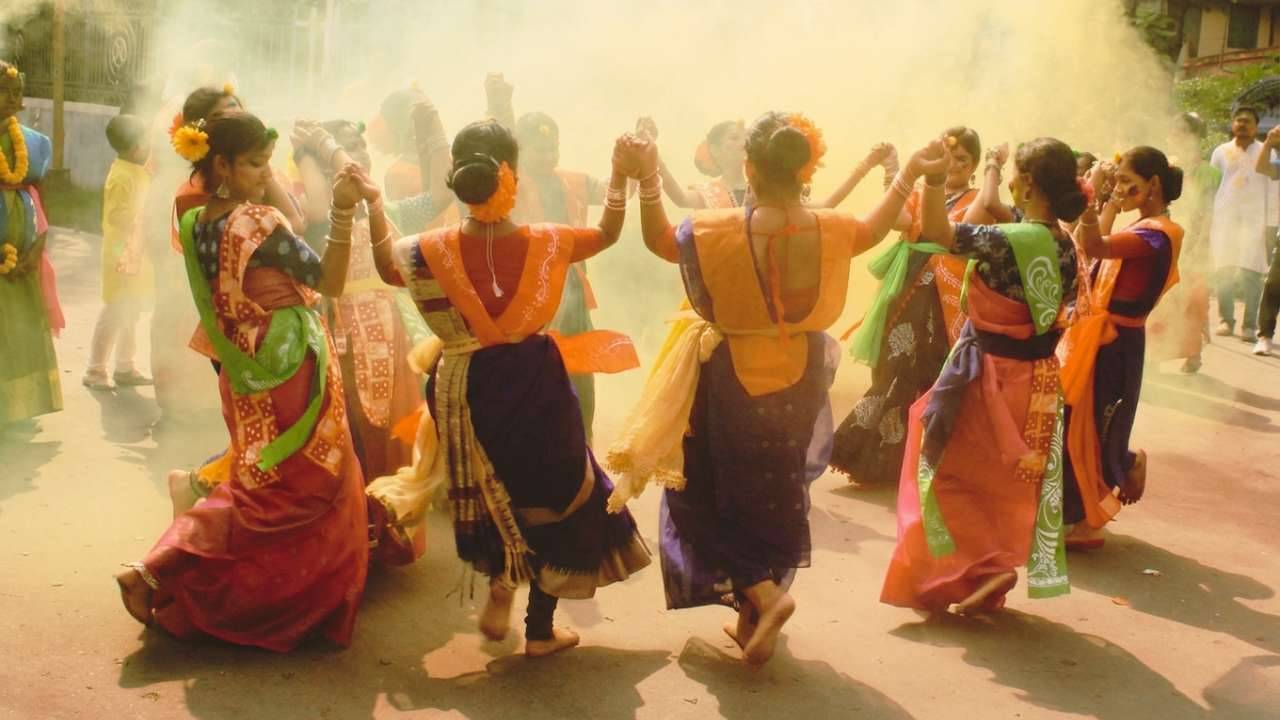
- Holi: Use an Action Camera. The waterproof/dustproof seal is vital against colored powder and water.
- Diwali: Use a Mirrorless Camera. You’ll need the larger sensor to capture low-light “oil lamp” vibes without the footage looking grainy.